Buyer-first EV charger guides
Independent research on costs, charger types, brands, and installation, so you buy the right charger the first time.
How to use this hub
Move through the buyer journey in the right order
The mistake is jumping straight to brands. Start with what the project can support, then narrow the right lane, then compare the names that still deserve your time.
Step 1
Budget
Use the cost guide to price the charger, the 240V circuit, and a panel upgrade together.
Step 2
Charger Type
Start with the fastest buyer-first selector before you fall into brand research.
Step 3
Installation
The 240V circuit, amperage, and panel capacity decide more projects than brand copy does.
Step 4
Shortlist
Use the shortlist pages once you already know the lane that fits your home.
Step 5
Comparison
Use the versus pages when your shortlist is finally small enough to matter.
Step 6
Final Decision
Use the flagship buying guide as the final decision page before you buy.
All guides
Filter by buyer journey stage, topic, or search to find exactly what you need.
Emporia vs Wallbox Pulsar Plus Compared
Emporia is $449 with load management built in. Wallbox starts at $649.99, smaller with a better app, but the company is mid-restructuring. The honest pick.
How Much Does It Cost to Charge an EV at Home?
Not the install, the electric bill. Real math from your state's electricity rate and your car's EPA efficiency, plus what it saves against gas.
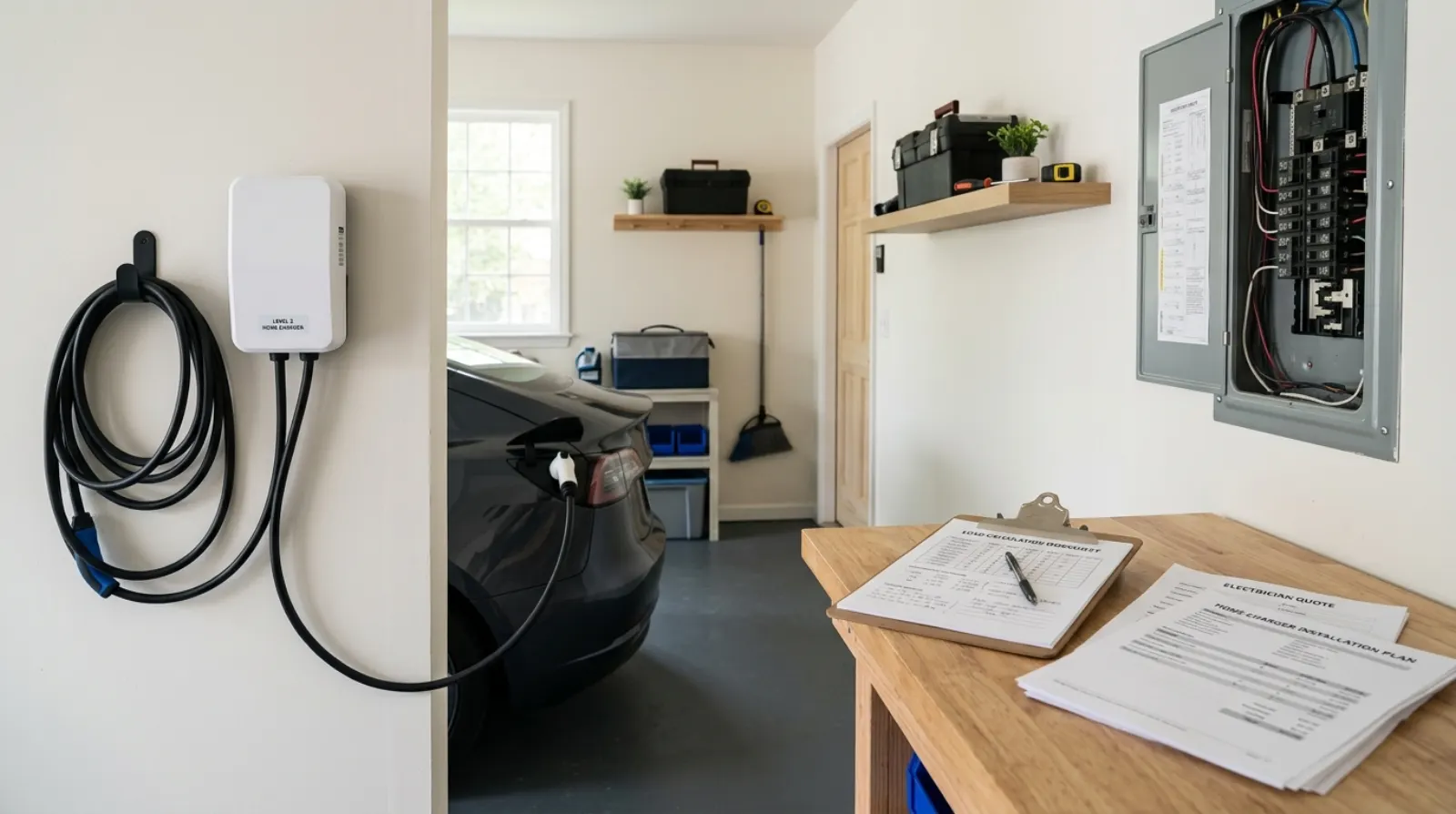
EV Charger Buying Guide 2026: The Whole Project, In Order
The full home EV charger decision path: Level 1 vs Level 2, amperage, hardwired vs plug-in, panel capacity, installed cost, and NACS vs J1772.
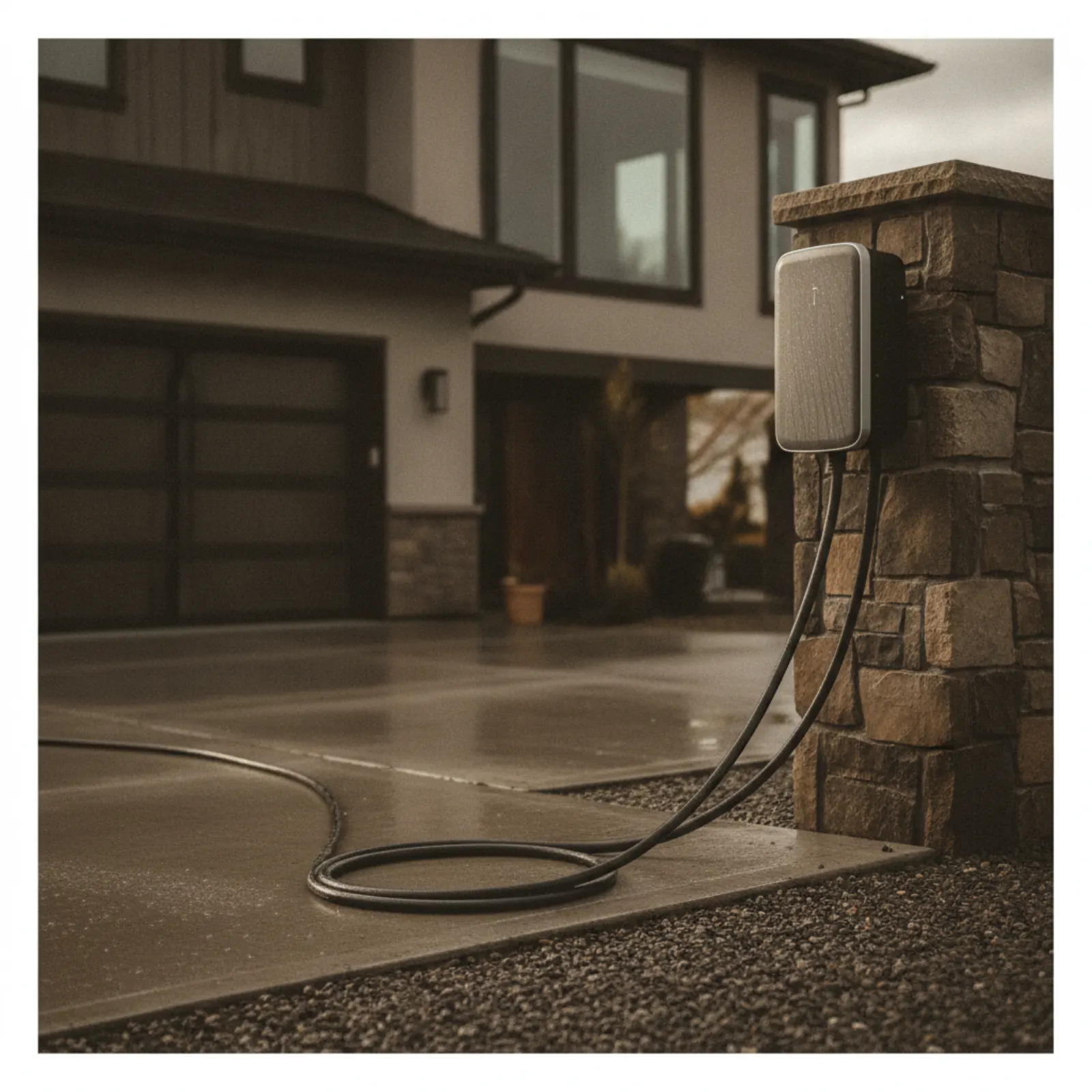
Outdoor EV Charger Installation: Weather, Cable Reach, Placement
A practical guide to outdoor EV charger installation, including weather rating, cable reach, pedestal vs wall mount, GFCI, snow, sun, parking, and permits.
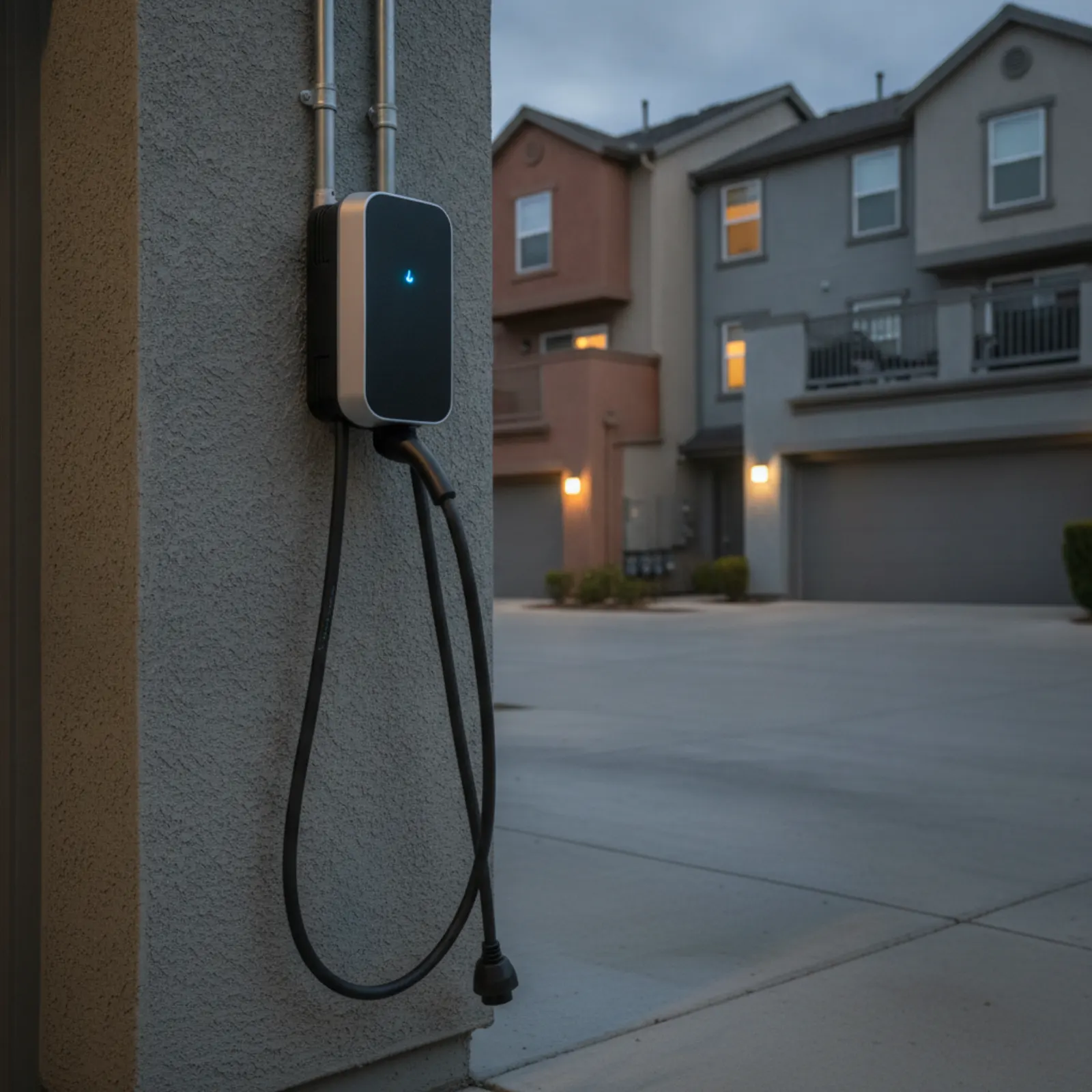
EV Charging in a Condo or HOA: What to Ask Before You Buy
How condo owners and HOA homeowners should approach EV charger approval, parking rights, electrical routing, submetering, permits, insurance, and shared costs.
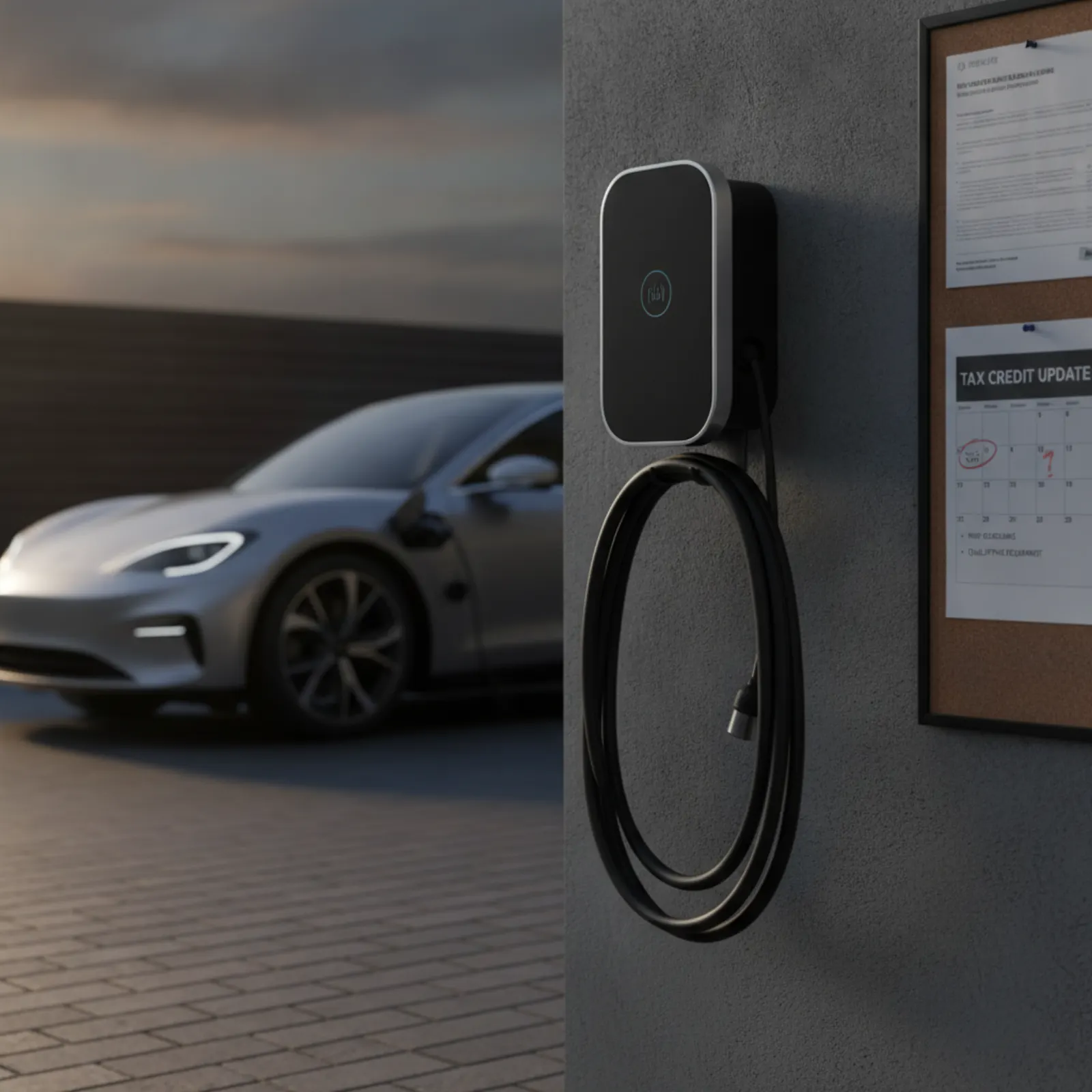
EV Charger Tax Credit 2026: What Changed After June 30
A dated 2026 guide to the federal EV charger tax credit, including the June 30 2026 placed-in-service cutoff, what to verify, and why quotes need current sources.
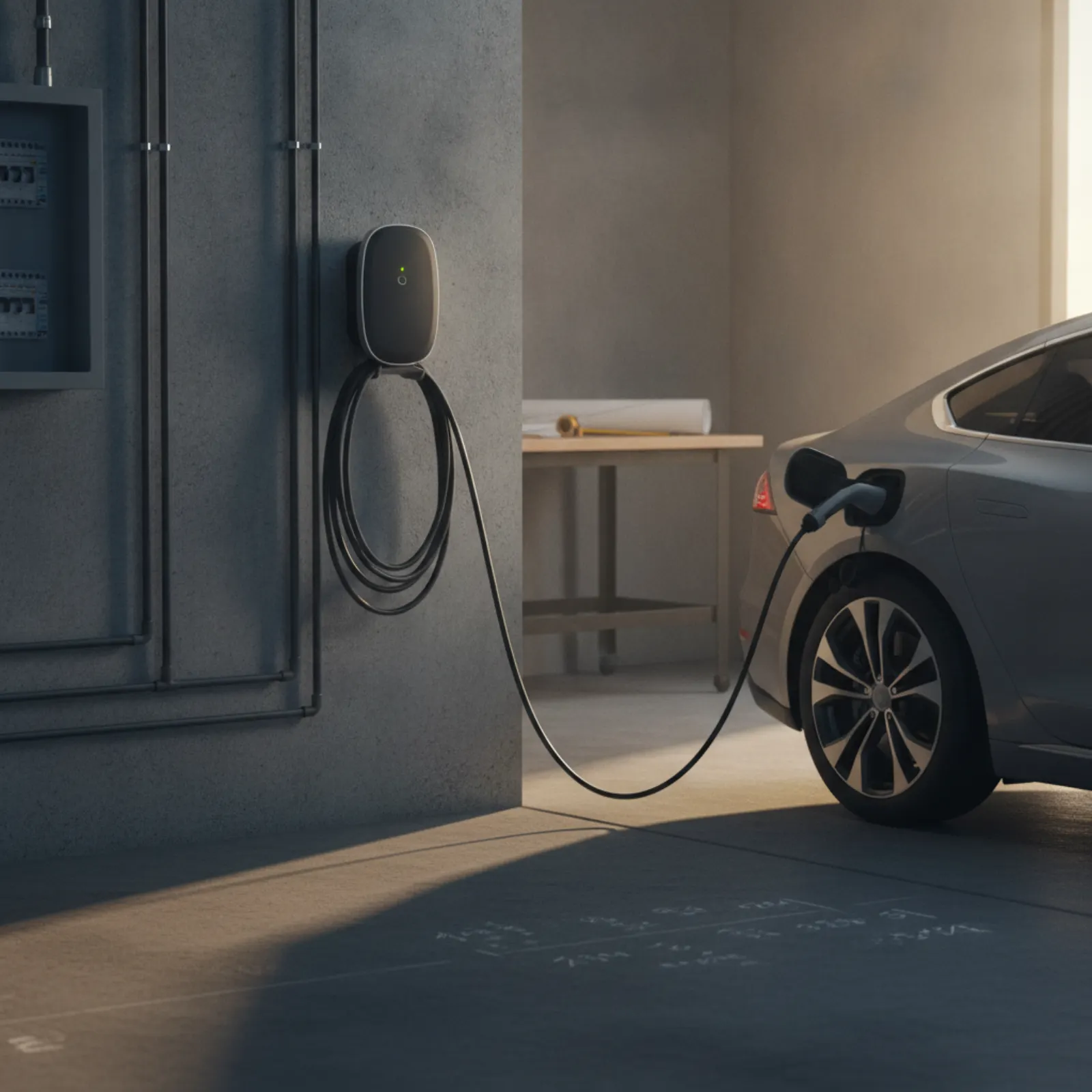
Panel Upgrade vs Load Management for EV Charging
A 200A service upgrade adds $1,500 to $3,000. A listed load-management device runs $299.99 to $449. When the cheaper path is legal, and when it is not.
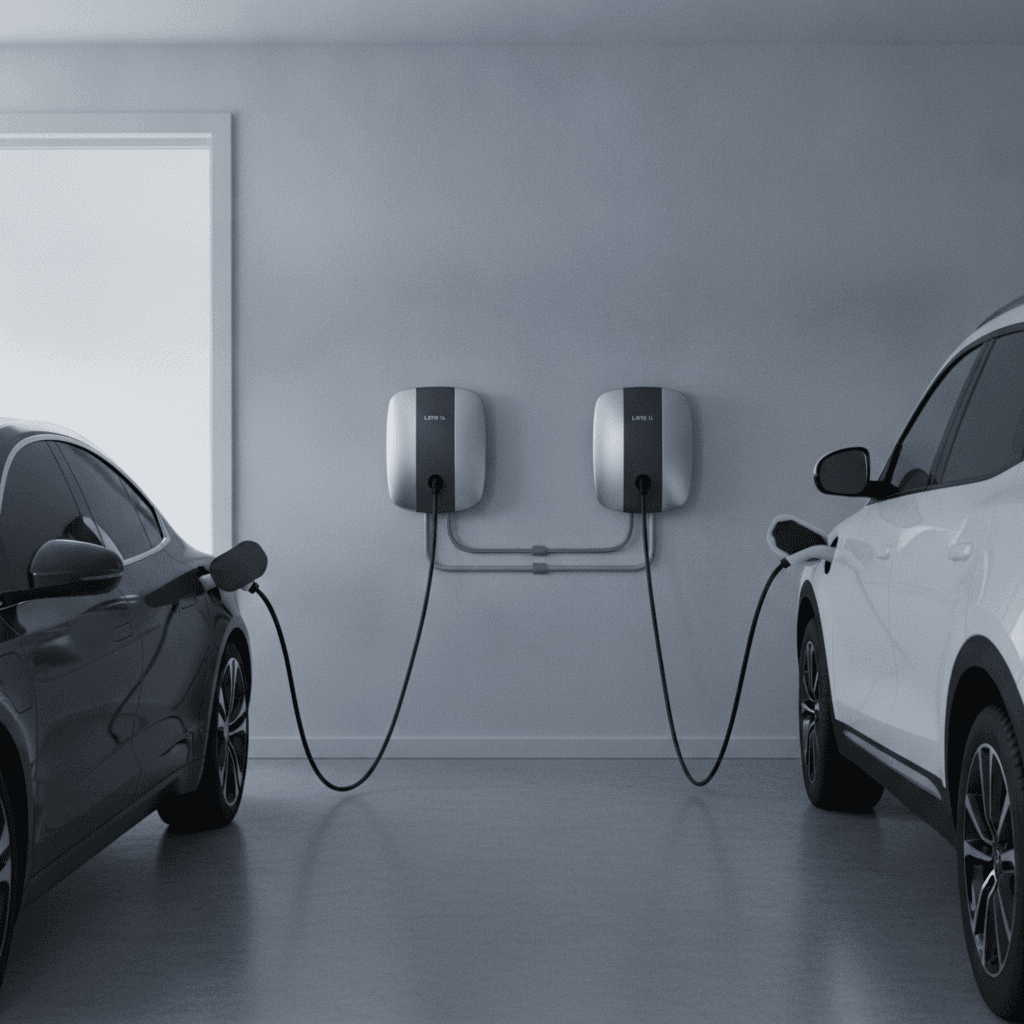
EV Charger for Two Cars: Two Circuits or Power Sharing?
Two EVs do not always need two full circuits. Compare Tesla, Wallbox, Emporia, ChargePoint and Grizzl-E's real power-sharing specs, cost, and code.

Tesla vs ChargePoint vs Emporia Home Charger Compared
Tesla's $600 Universal Wall Connector carries both connectors. ChargePoint Home Flex flexes plug-in or hardwire. Emporia adds load management for $449.
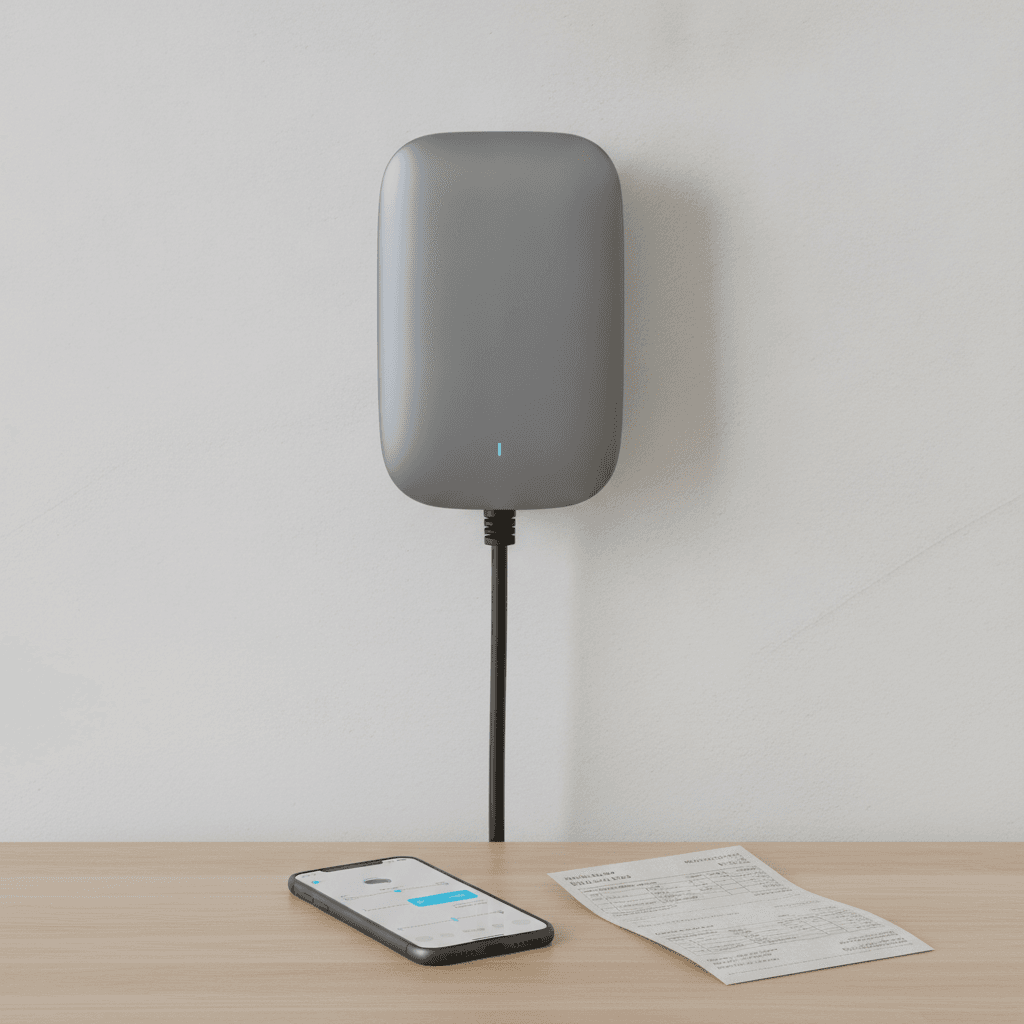
Smart vs Dumb EV Charger: Do You Need the App?
Your EV already schedules its own charging. When a smart charger earns its price, and the Enel X Way shutdown that bricked JuiceBox apps overnight.
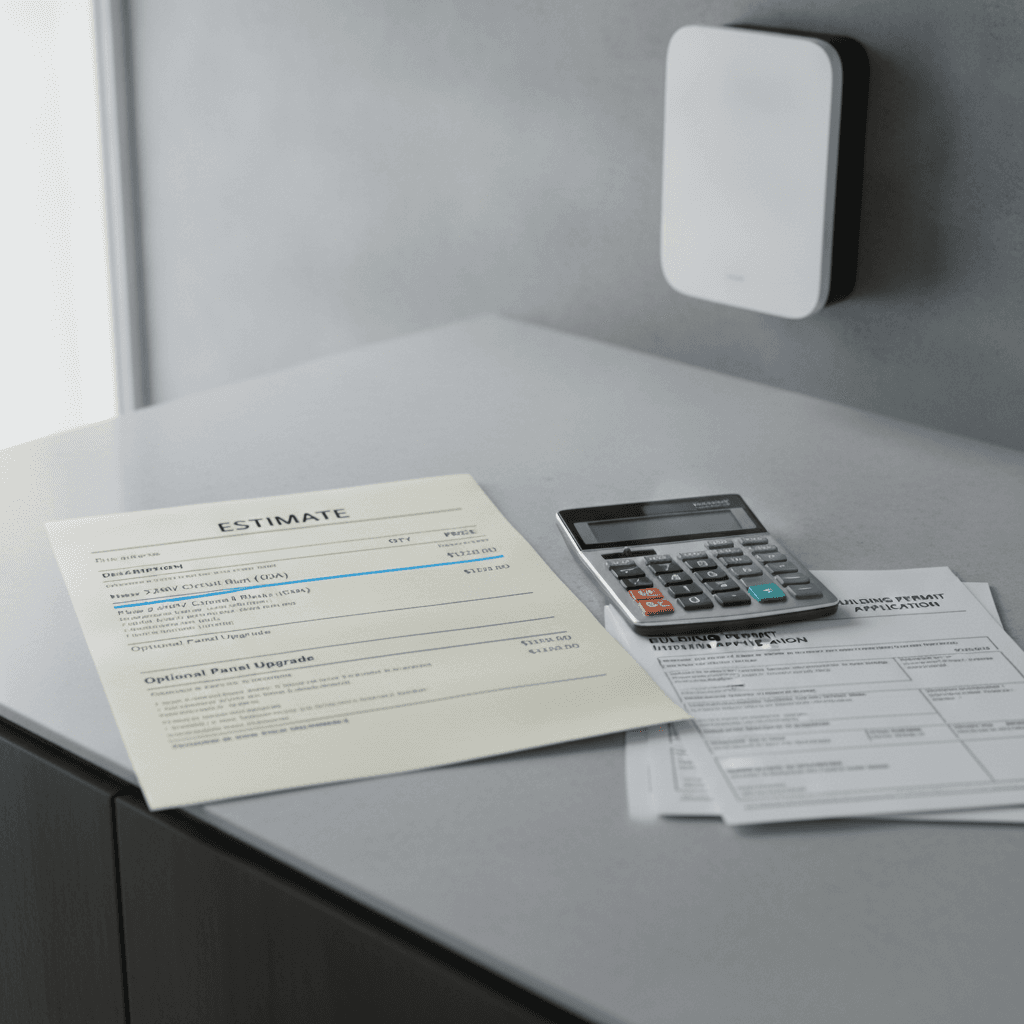
Real Cost of Installing an EV Charger (2026)
The charger is $350 to $800. Installed, a job near the panel runs $500 to $1,500, and a panel upgrade pushes it to $4,000. The real line items.
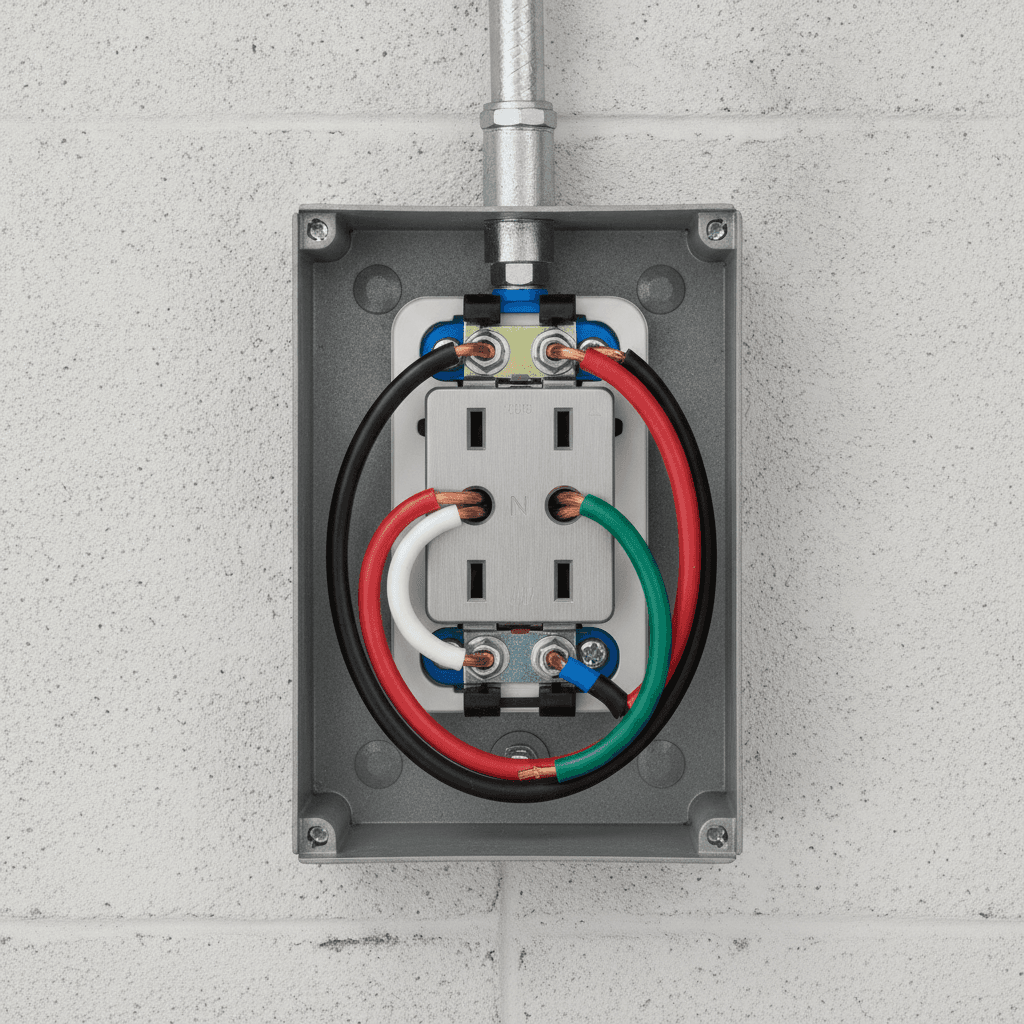
NEMA 14-50 Outlet Safety for EV Charging
Cheap NEMA 14-50 outlets melt under continuous EV load. Why makers steer buyers to hardwiring or industrial receptacles, and what GFCI code requires.
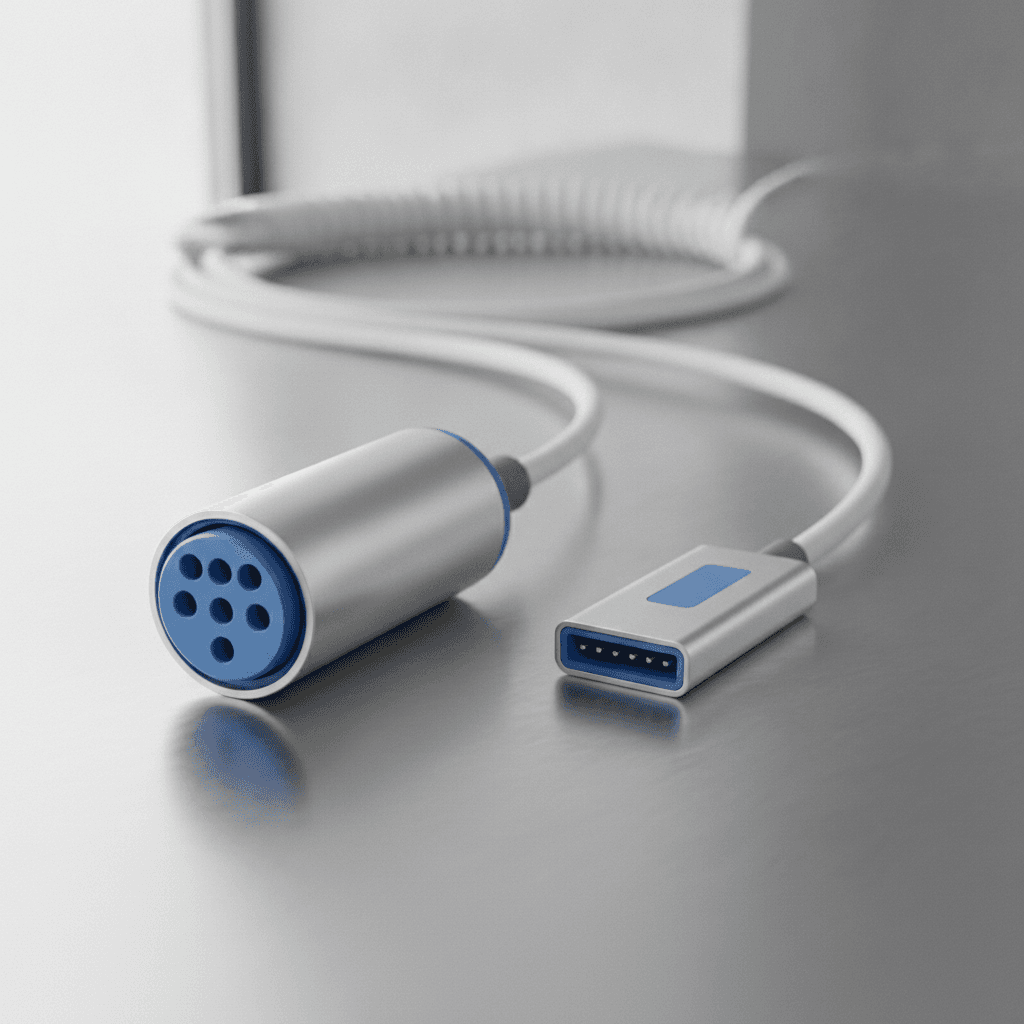
NACS vs J1772: Best Charger for a Mixed-Brand Garage
See which 2026 EVs use NACS or J1772, when an adapter is safe, and what a mixed-brand household should buy for dependable home charging.
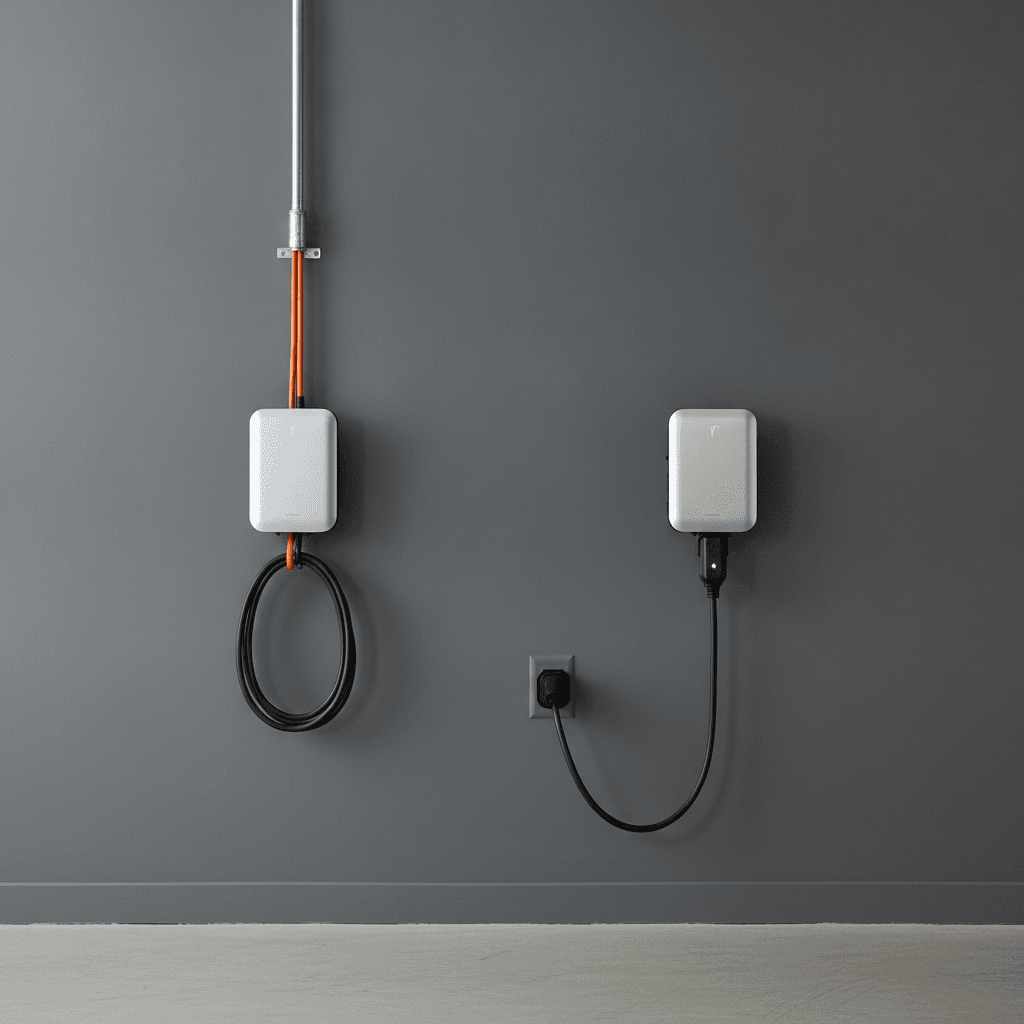
Hardwired EV Charger vs NEMA 14-50: Cost and Safety
Plug-in is cheaper only when a code-compliant NEMA 14-50 exists. Compare outlet, GFCI, amperage, safety, and long-term cost with hardwiring.
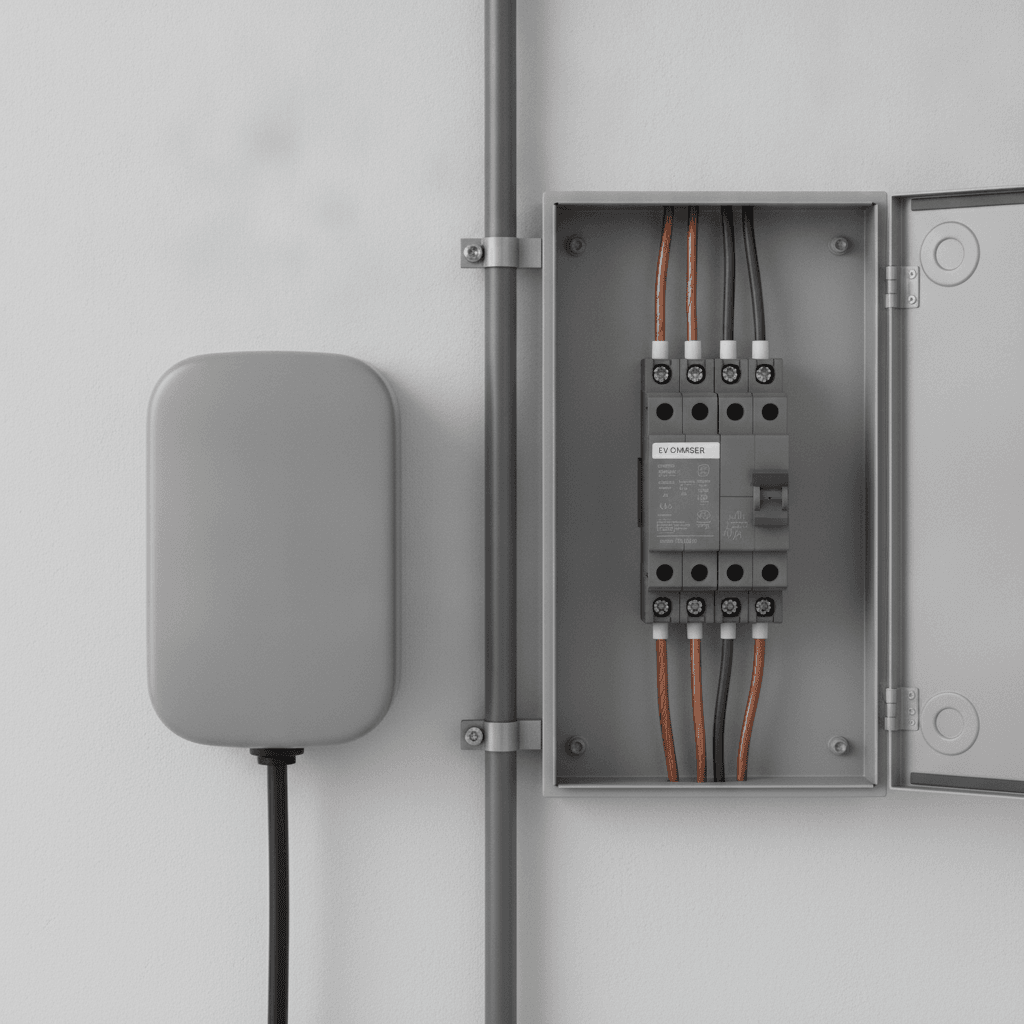
EV Charger Safety: Wiring, GFCI, Permits, Fire Risk
A home EV charger is a continuous 240V load. Undersized wire, cheap 14-50 outlets, and skipped permits start fires. What NEC and NFPA actually require.

EV Charger Rebates by State: How to Find Yours
Utility and state EV charger rebates range from $200 to $2,000+. How to find yours, plus time-of-use rates, and honest math on what it saves.
EV Charger Buying Mistakes: The 6 Big Regrets
The regrets that show up after install: obsolete-connector fears, a panel upgrade you did not need, a cheap 14-50 outlet, and an app-bricked charger.
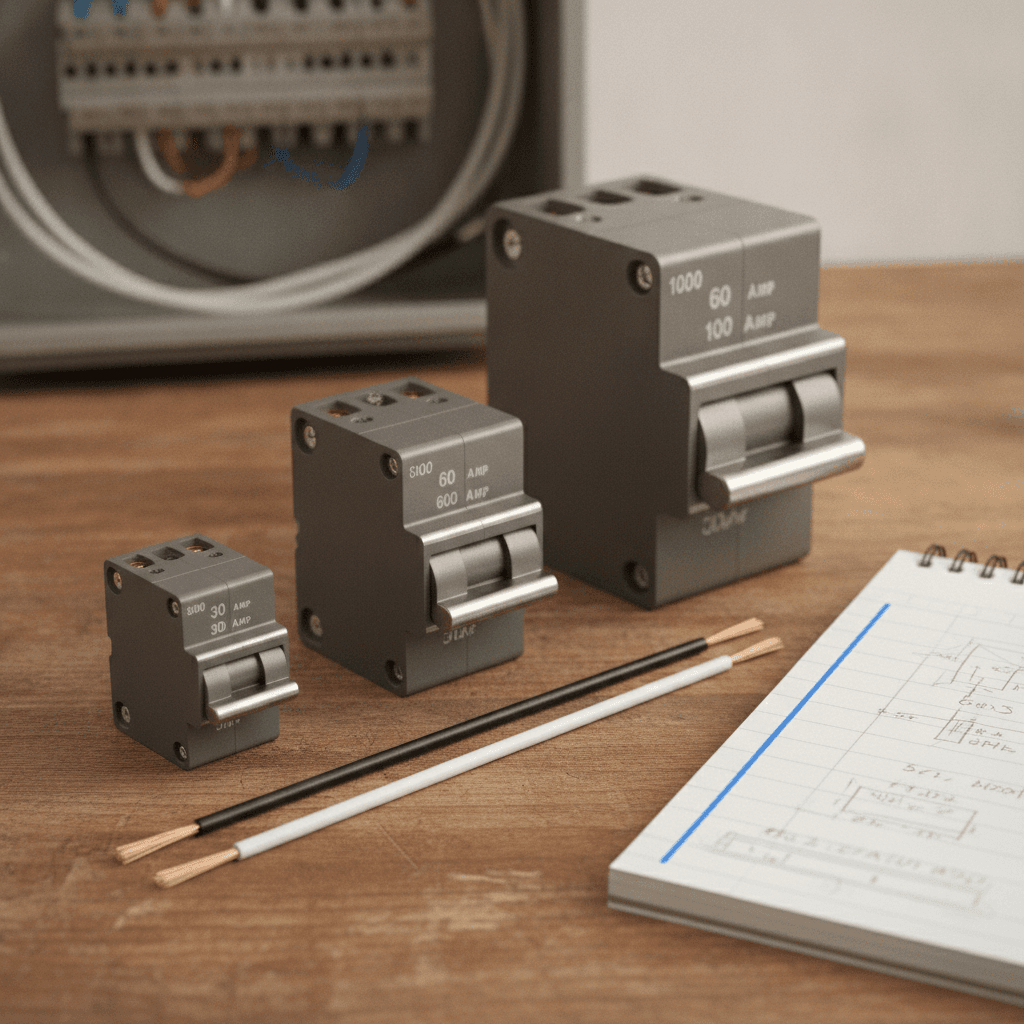
EV Charger Amperage: 32A vs 40A vs 48A
A 32A charger fills most cars overnight and skips the panel upgrade a 48A unit forces. Why bigger amperage is often the wrong, more expensive buy.
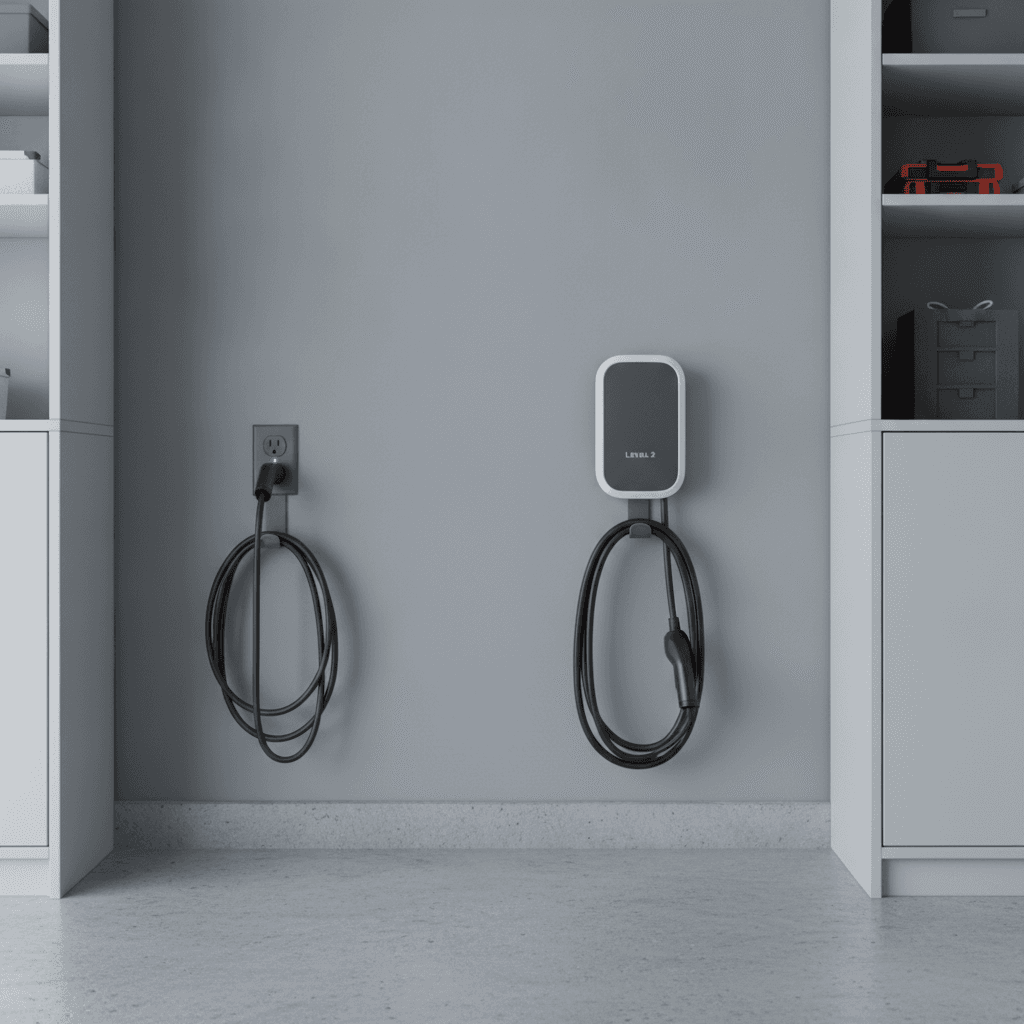
Do I Need Level 2 Charging at Home?
For a lot of low-mileage drivers, the 120V cord that came with the car is enough. When Level 1 covers you, and when to spend on a Level 2 install.
Do I Need a Permit to Install an EV Charger?
Yes, almost every US jurisdiction requires an electrical permit and inspection for a Level 2 EV charger. Skipping it fails a home sale and is a fire risk.
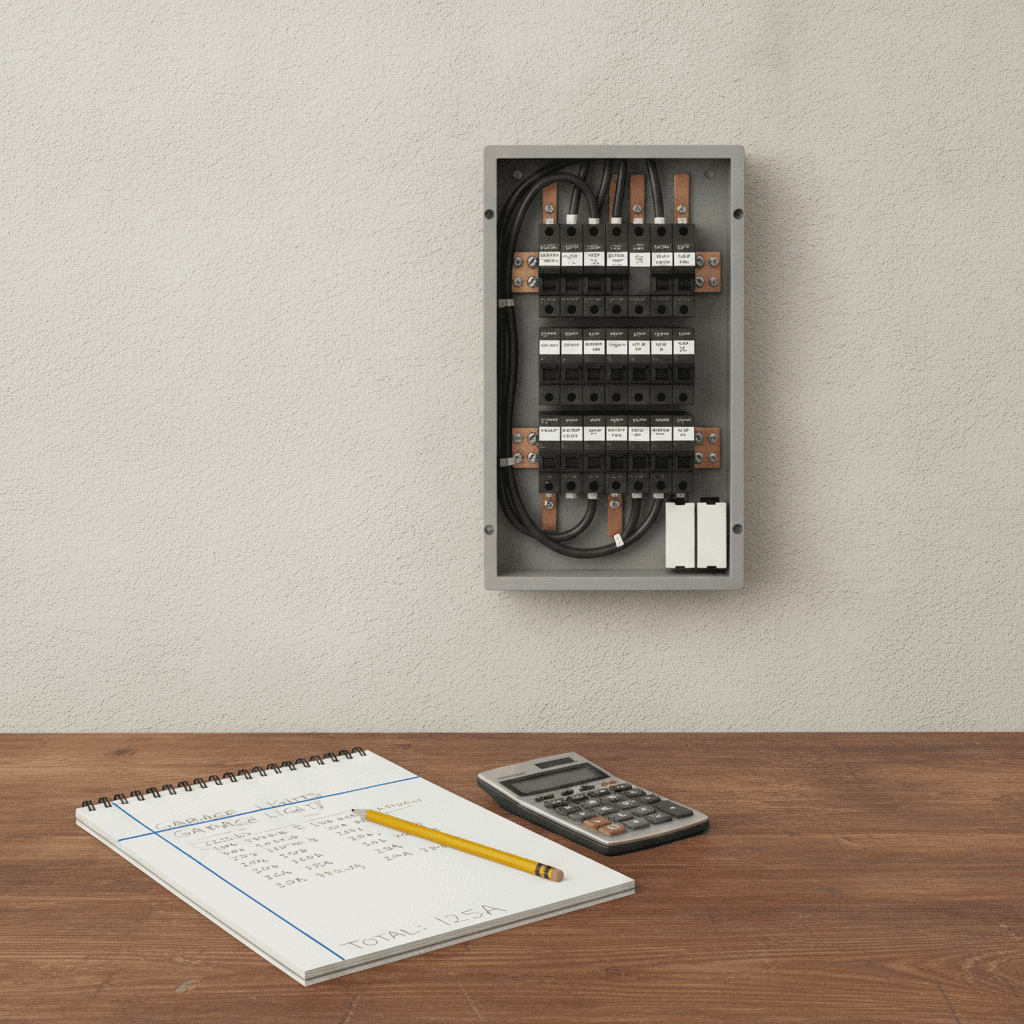
Do I Need a Panel Upgrade for an EV Charger?
A panel upgrade is a $1,500 to $3,000 surprise, and load management often avoids it. How to know if your 100A or 200A panel can take a charger.
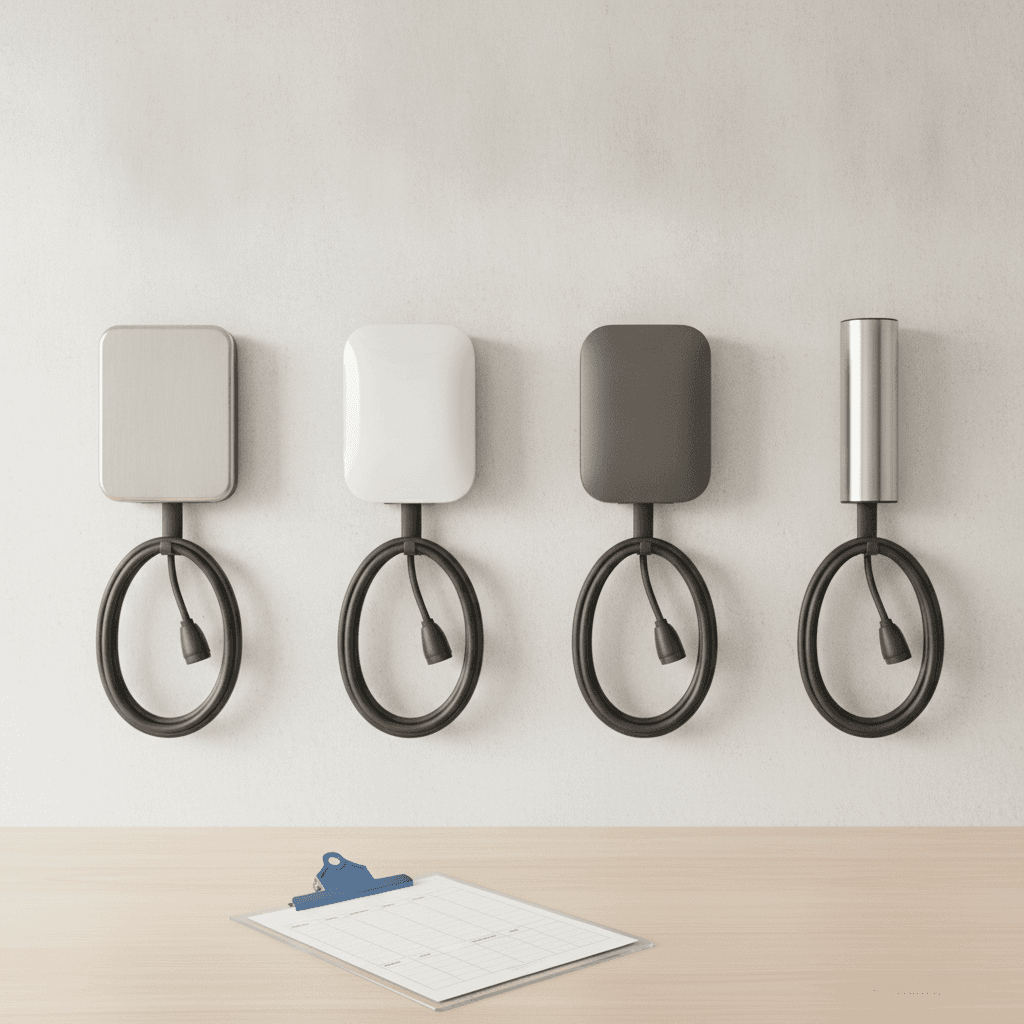
Best Home EV Chargers for 2026, Ranked Honestly
Five Level 2 chargers worth buying, from the $600 Tesla Universal to the $300 Grizzl-E, with the real installed cost and each unit's weak spot.
Best Budget EV Chargers Under $500 (2026)
The Grizzl-E Classic is $300 and the Emporia adds load management for under $500. The budget chargers worth buying, and the cheap ones that aren't.
Want the full picture?
Our free buyer's guide covers real costs, charger type, and the mistakes that make home projects go over budget. Zero sales pitch.
Just starting your charger research?
Real costs, real reviews. One email, no spam.
Already got a quote? Get a free read on it