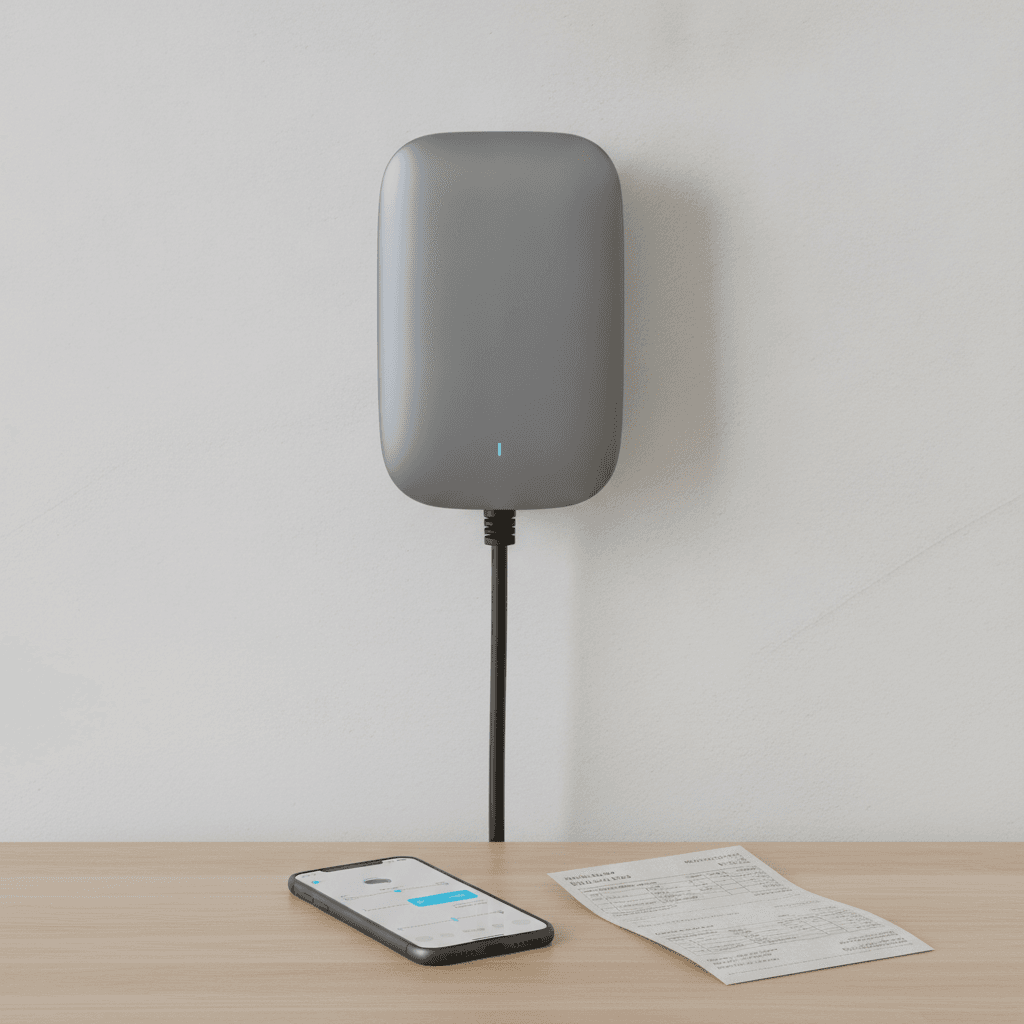
Your EV already schedules its own charging. When a smart charger earns its price, and the Enel X Way shutdown that bricked JuiceBox apps overnight.
Comparison
Quick answer: For most people whose car already schedules its own charging, a WiFi smart charger is a convenience, not a requirement, and a simple reliable charger is a fine choice. Smart features earn their price in three cases: a shared or capacity-limited circuit that needs load management or power sharing, a utility rebate or time-of-use plan that requires a connected charger, or a household tracking cost across several drivers. The risk to weigh is app dependence. When Enel X Way USA shut down in October 2024, JuiceBox owners kept the ability to charge but lost scheduling and app control on hardware that still worked. Favor chargers that keep their core functions working locally if the app or the company disappears.
Best for
A buyer deciding whether to pay for WiFi and app features, or buy a simpler charger.
Wrong fit
Anyone looking for a specific product ranking. This is the decision framework behind smart features.
Tradeoff
Smart features add scheduling, load management, and usage data, at the cost of price and dependence on a cloud app that can go away.
Here is the honest answer most charger reviews skip: your EV probably already schedules its own charging. Nearly every modern EV lets you set a departure time or a charging window from the car or its app, so it waits for cheap overnight hours on its own. If that is all you need, a simple, reliable charger does the job, and the WiFi features are a convenience you may never open twice.
That does not make smart chargers pointless. It means the question is narrower than the marketing suggests. This page covers what smart features actually add, the three cases where they earn their price, and the app-dependence risk that the Enel X Way shutdown made very real.
Quick Answer: Do You Need a Smart Charger?
Your situation
Smart charger?
Car already schedules charging, simple overnight use
Not required, a basic charger is fine
Shared circuit or panel that needs load management or power sharing
Yes, this is where smart earns it
Utility rebate or time-of-use plan that requires a connected charger
Yes, if the program requires it
Multiple drivers, tracking cost or reimbursing charging
Helpful for the data
You want fewest failure points and no cloud dependence
Lean basic, or smart with local control
The trap is paying for features to solve a problem your car already solves, then depending on an app that might not be there in three years.
What "Smart" Actually Adds
A smart charger adds WiFi, an app, and usually four things: scheduling, energy usage data, remote start and stop, and firmware updates. Some add real load management or power sharing, which is a genuinely different capability, letting two chargers share one circuit or throttle the charger when the rest of the house draws heavily. That last one is the feature worth paying for, because it can be the alternative to a panel upgrade.
The rest, scheduling and usage tracking, are nice but often duplicate what the car does. If your EV already delays charging to off-peak hours, the charger scheduling the same thing is redundant.
The Three Cases Where Smart Earns Its Price
Capacity-limited panel. If your panel cannot support a full charger circuit, load management or power sharing lets the charger throttle instead of forcing a service upgrade. That is a real dollar saving, sometimes thousands. See do I need a panel upgrade for an EV charger.
A rebate or rate that requires it. Some utility rebates and time-of-use programs require a connected charger to verify off-peak charging or to enroll. If your program does, a smart charger is the price of admission. The programs are covered in EV charger rebates by state.
Multiple drivers or cost tracking. A household charging several cars, or anyone who needs to track and reimburse charging cost, gets real use out of the data. For a single driver on a flat rate, that data mostly goes unread.
The Enel X Way Cautionary Tale
The reason to think about app dependence is not hypothetical. In October 2024, Enel X Way USA, the company behind the popular JuiceBox chargers, shut down its North American operation. Owners got an email on October 2, and the apps were deactivated by October 11. The hardware kept the physical ability to charge, but the app features stopped: scheduling, remote start and stop, and the dynamic amperage control some owners relied on to manage their load. People had paid for a smart charger and were left with a basic one, overnight, through no fault of their own.
The lesson is not "avoid smart chargers." It is "do not buy hardware that is useless without a cloud app that might disappear." Favor chargers that keep their core functions, including basic scheduling and load management, working locally on the device if the company or the app goes away. That app-bricking risk is one of the classic regrets in EV charger buying mistakes.
What to Check Before You Pay for Smart
Two things. First, a UL or ETL safety listing on the actual unit, not a vague claim, which matters more than any feature. Second, how much the charger depends on the cloud: can it charge and schedule if the WiFi is down or the app is gone? A charger that degrades gracefully to local control is a safer bet than one that is a paperweight without the server. For the connector side of the buy, see NACS vs J1772 connector.
The Practical Call
If your car schedules its own charging and your panel can take the circuit, a simple reliable charger is a genuinely good choice, and spending less here is not a compromise. Pay for smart when you need load management to avoid a panel upgrade, when a rebate or rate program requires a connected charger, or when several drivers share the setup. Whatever you buy, prefer one that still works when the app does not. If you are also weighing solar or a home battery, load management and rates tie together, which is covered at homebattery.guide.
Frequently Asked Questions
Do I need a smart EV charger if my car already schedules charging?
Usually not. If your EV already delays charging to off-peak hours on its own, a smart charger scheduling the same thing is redundant, and a simple reliable charger does the job. Smart features are worth it mainly for load management to avoid a panel upgrade, for a rebate or rate that requires a connected charger, or for tracking cost across several drivers.
Is a WiFi charger worth it, or is it just a gimmick?
It depends on your setup. The genuinely useful smart feature is load management or power sharing, which can save you a panel upgrade. Scheduling and usage data are nice but often duplicate what your car does. So it is worth it for a capacity-limited panel, a program that requires it, or a multi-car household, and closer to a gimmick for a single driver on a flat rate.
What happens to a smart charger if the company goes out of business?
It can lose its app features, which is exactly what happened to JuiceBox owners when Enel X Way USA shut down in October 2024. The hardware kept charging, but scheduling, remote control, and dynamic amperage control stopped when the app was deactivated. That is why it is smart to favor chargers that keep their core functions working locally on the device, not only through the cloud.
Will a dumb charger cost me money on a time-of-use rate?
Not if your car schedules charging to off-peak hours, which most EVs do. The car, not the charger, decides when to draw power, so a basic charger on a time-of-use plan can still charge only during cheap hours. The exception is a utility program that specifically requires a connected charger to enroll or verify, in which case you need the smart unit to qualify. For the actual dollar number this adds to your bill, see how much it costs to charge an EV at home.
What is load management, and do I actually need it?
Load management lets a charger throttle its draw, or share a circuit with a second charger, so the total does not exceed what your panel can handle. You need it when your panel cannot support a full charger circuit, because it can be the alternative to a costly service upgrade. If your panel has plenty of headroom and you are charging one car, you probably do not need it.
Should I just buy the cheapest basic charger then?
If your car schedules its own charging and your panel has room, a simple charger is a good, honest choice, not a compromise. The one thing not to cut is the safety listing: buy a unit with a real UL or ETL listing. Below that, match the amperage to your car and panel, and skip paying for smart features you will not use.
Methodology
These guides are built from manufacturer documentation, public specifications, primary research where safety claims matter, and repeated buyer questions that show up in real ownership and installation decisions.
Manufacturer responses can clarify pricing bands, warranty terms, support footprint, or common mistakes. They do not move a page up the shortlist on their own.