Buyer-First Brand Directory
Best home EV chargers for 2026, sorted for real buyers.
Your panel decides more than the badge does. All 11 chargers here are compared by hardwired or plug-in, amperage, sourced price, and who they actually fit, so you can rule out the wrong amperage before you shop brands.
- Brands
- 11
- Countries
- 5
- Verdicts
- 11
Editor’s Picks 2026
The best home EV chargers for 2026
Five brands worth your shortlist, picked from 11 we have reviewed. We did the homework so you do not have to compare 30 spec sheets. If a brand is not on this list, it is usually because the build, the support, or the price-to-quality ratio did not survive scrutiny.

Best Overall
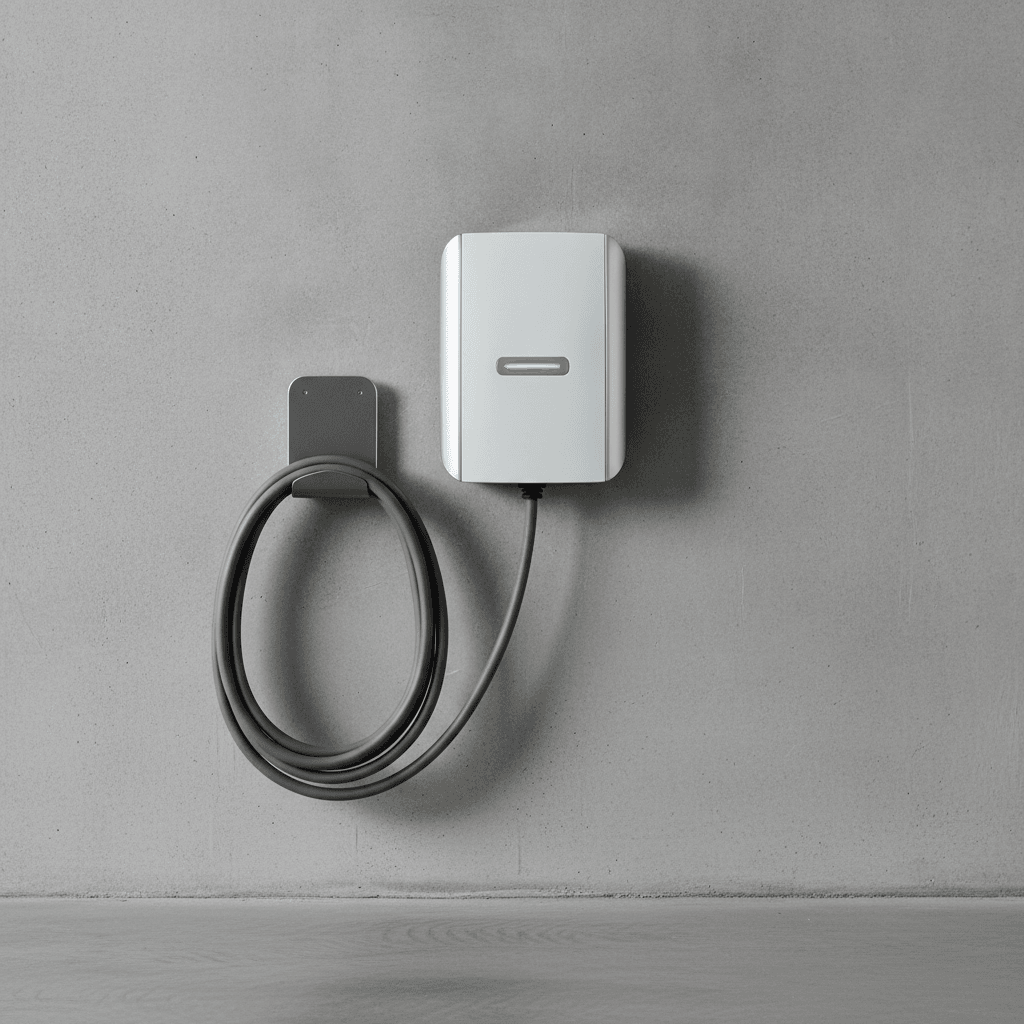
Tesla Universal Wall Connector
The safe default. The Universal Wall Connector has a built-in adapter, so it charges any EV, not just Teslas. Hardwired and app-connected, and common enough that most electricians have installed one. You will still spend more on the circuit and any panel work than on the unit itself.
Mid-rangeRead verdict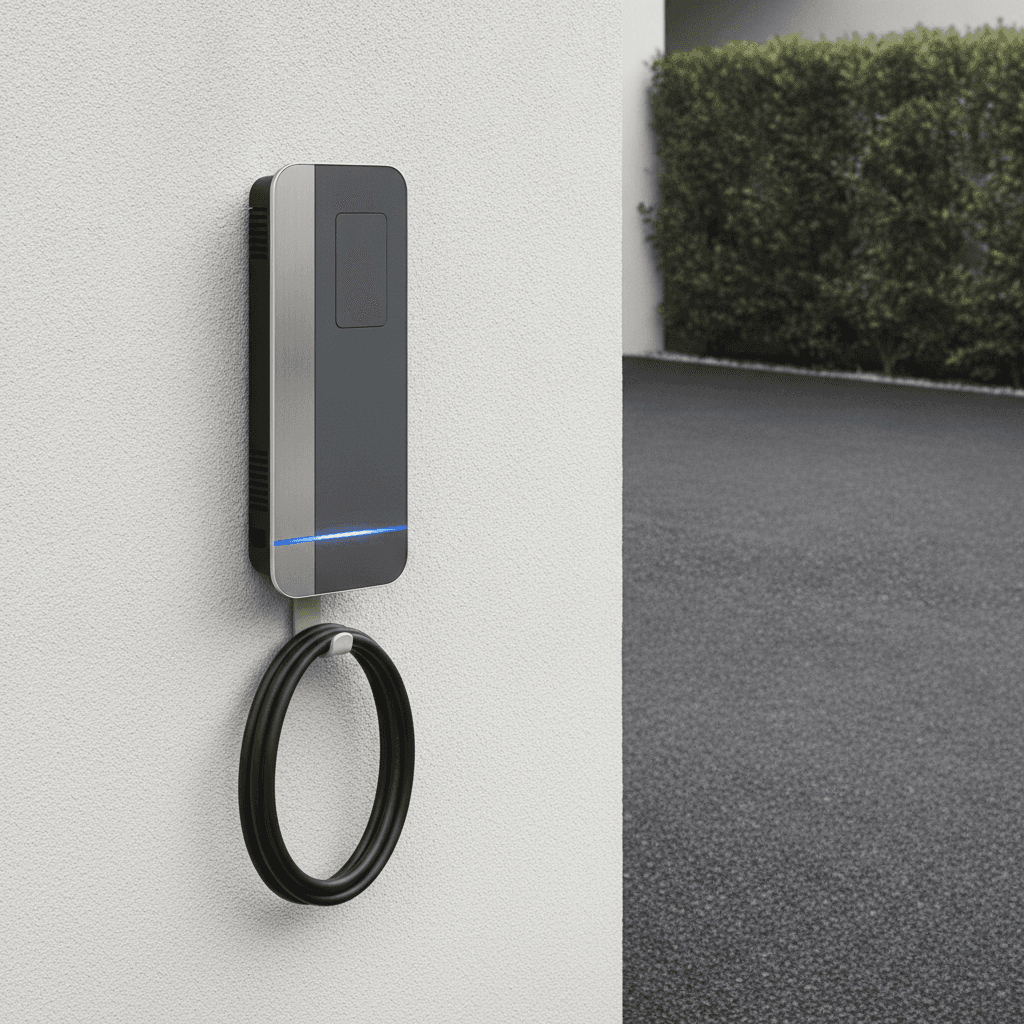

Best Smart
ChargePoint Home Flex
The smart pick. App scheduling, adjustable amperage, and a connection that tends to stay online. Comes in hardwired and plug-in versions. Worth it if your utility charges less overnight and you want the charger to handle the timing.
Mid-rangeRead verdict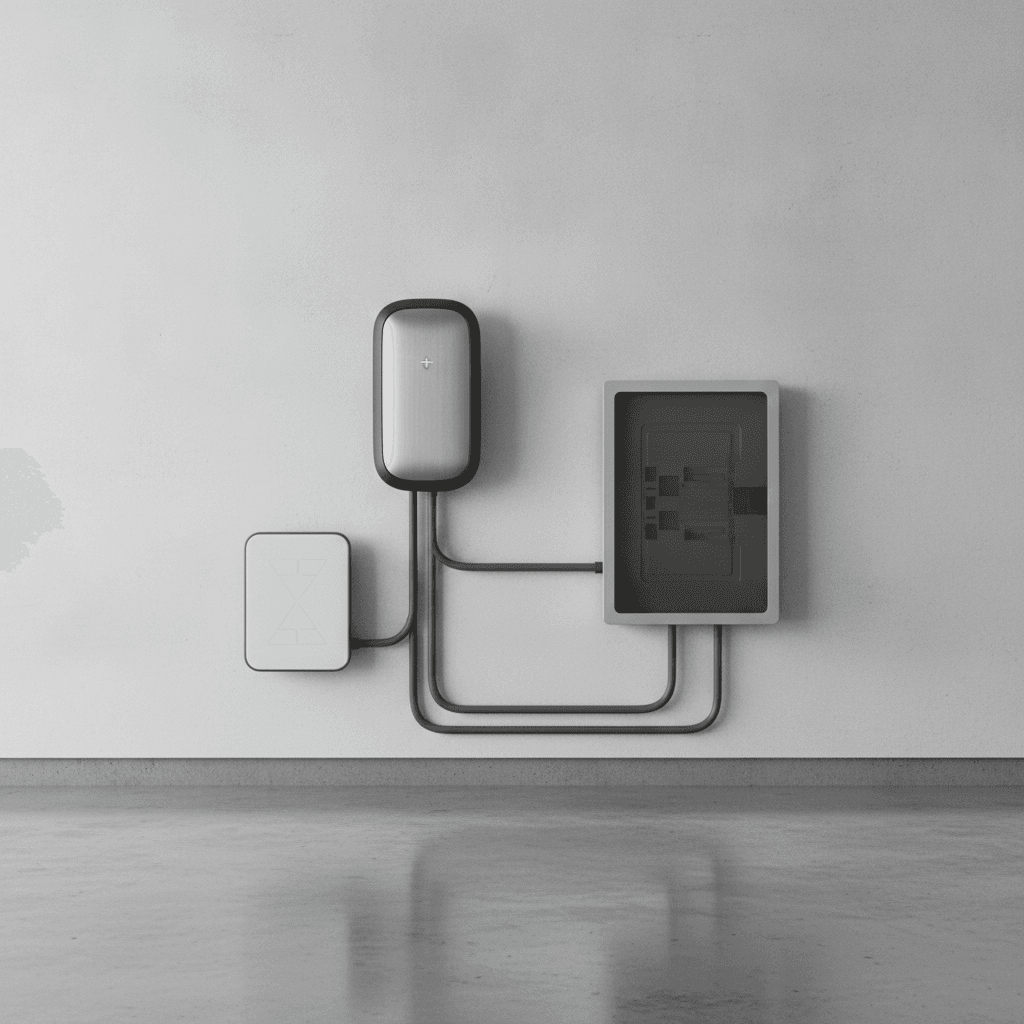

Best Value
Emporia
The value pick without feeling cheap. Energy monitoring is the standout, so you can see what each charge actually costs. A sensible choice when you want smart features without paying for a premium badge.
ValueRead verdict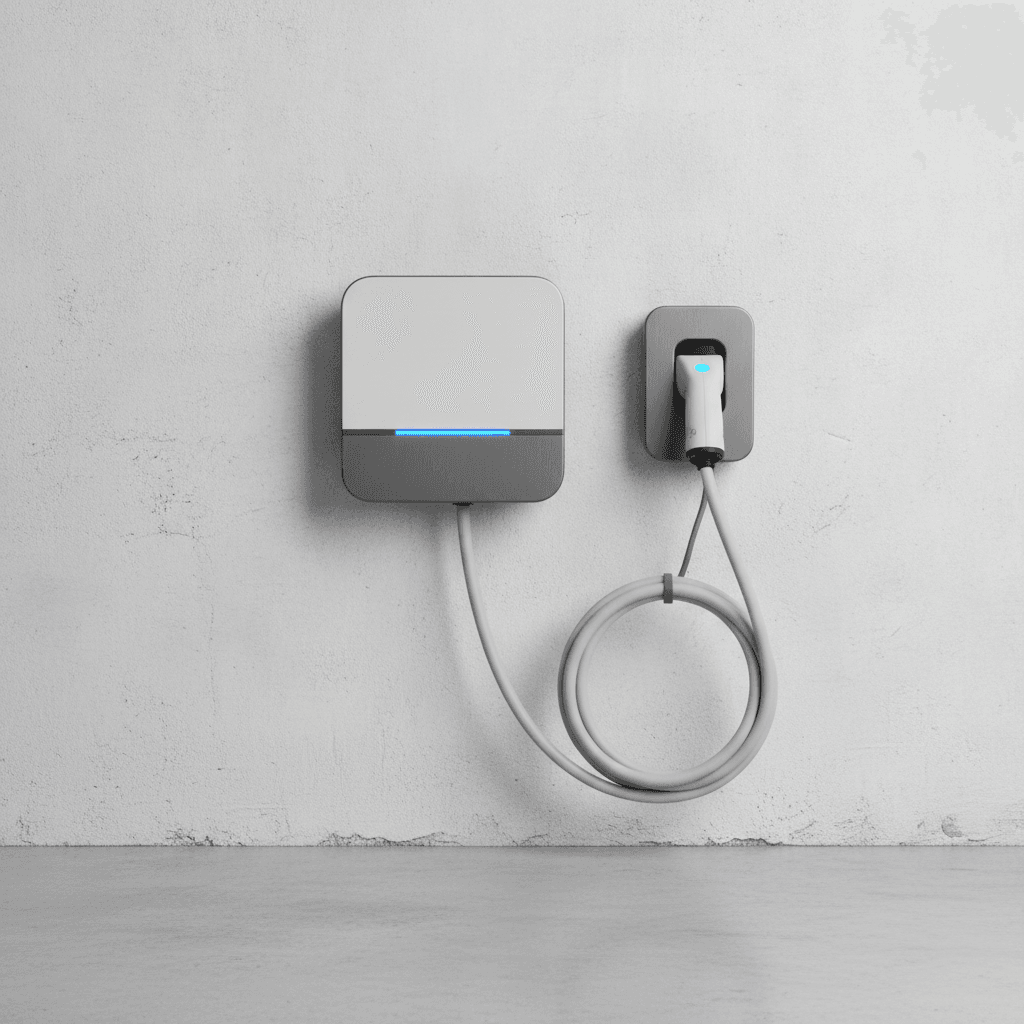

Best Compact
Wallbox Pulsar Plus
The compact one. One of the smallest Level 2 units on the wall, which matters in a tight garage. App control and scheduling are built in. You pay for the footprint and the design, not extra capability.
Mid-rangeRead verdict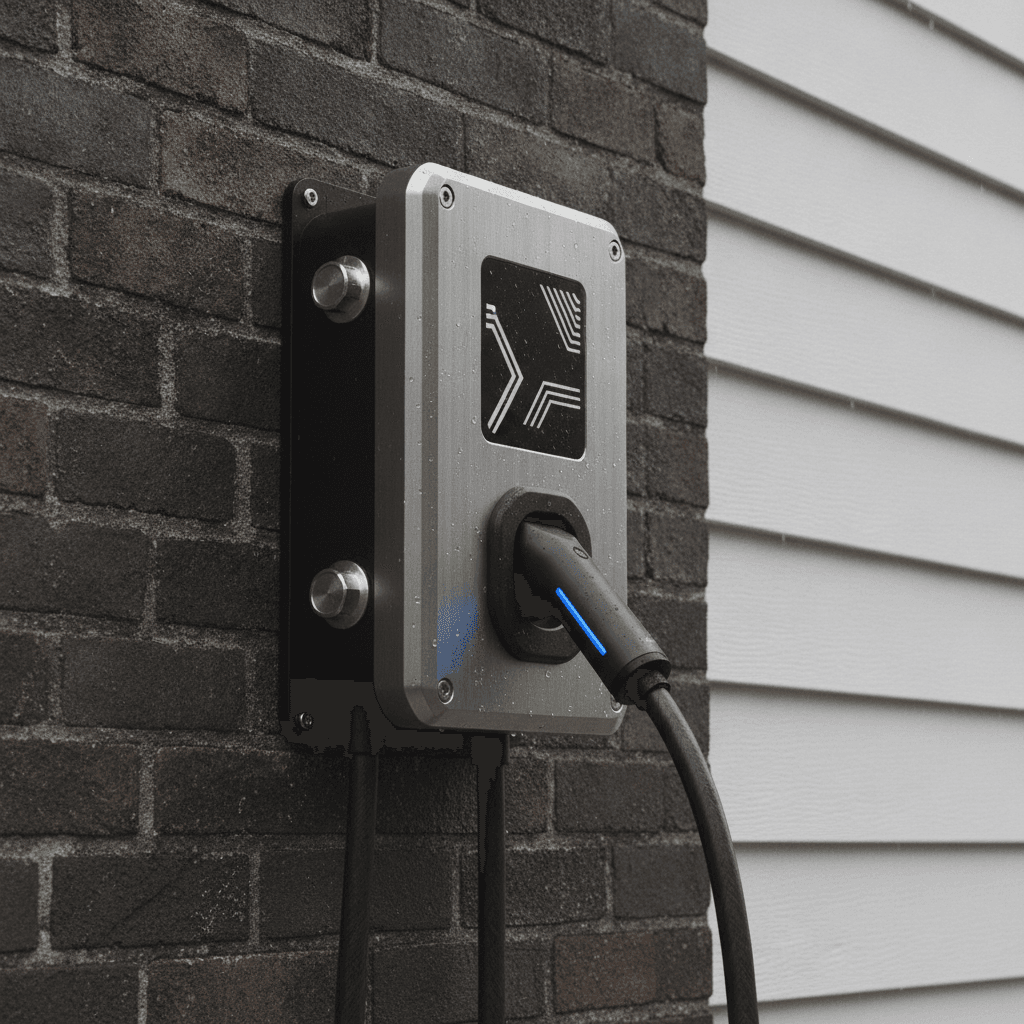

Best No-Frills
Grizzl-E
The no-frills workhorse. Rugged, simple, and built to sit outside without babysitting. Skip the app and you get a charger that just does its job. A good fit when you want fewer things that can break.
ValueRead verdict
The cheap part is the charger. The real money is the install: the 240V circuit, the permit, and a panel upgrade if your panel is full. See the real all-in cost guide for where the budget actually goes.
All 11 home EV charger brands we cover
Filter by charger type to narrow the shortlist. Every card links to the full verdict, sourced price, strengths and caveats.
Tesla
Buyer priority
The easy default for most hardwired installs. Confirm your panel can carry a 60A circuit before committing to the full 48A.
ChargePoint
Buyer priority
A strong all-rounder worth quoting against Tesla, especially if you want a plug-in install and utility-program scheduling.
Emporia
Buyer priority
The value answer, and the load-management feature is genuinely useful for avoiding a panel upgrade on a full panel.
Wallbox
Buyer priority
A strong compact choice with a good app. If you want the smallest wall footprint, it is worth a look next to ChargePoint.
Grizzl-E
Buyer priority
A strong pick for buyers who want durability and independence from an app. Choose the Classic if you do not need scheduling.
Autel
Buyer priority
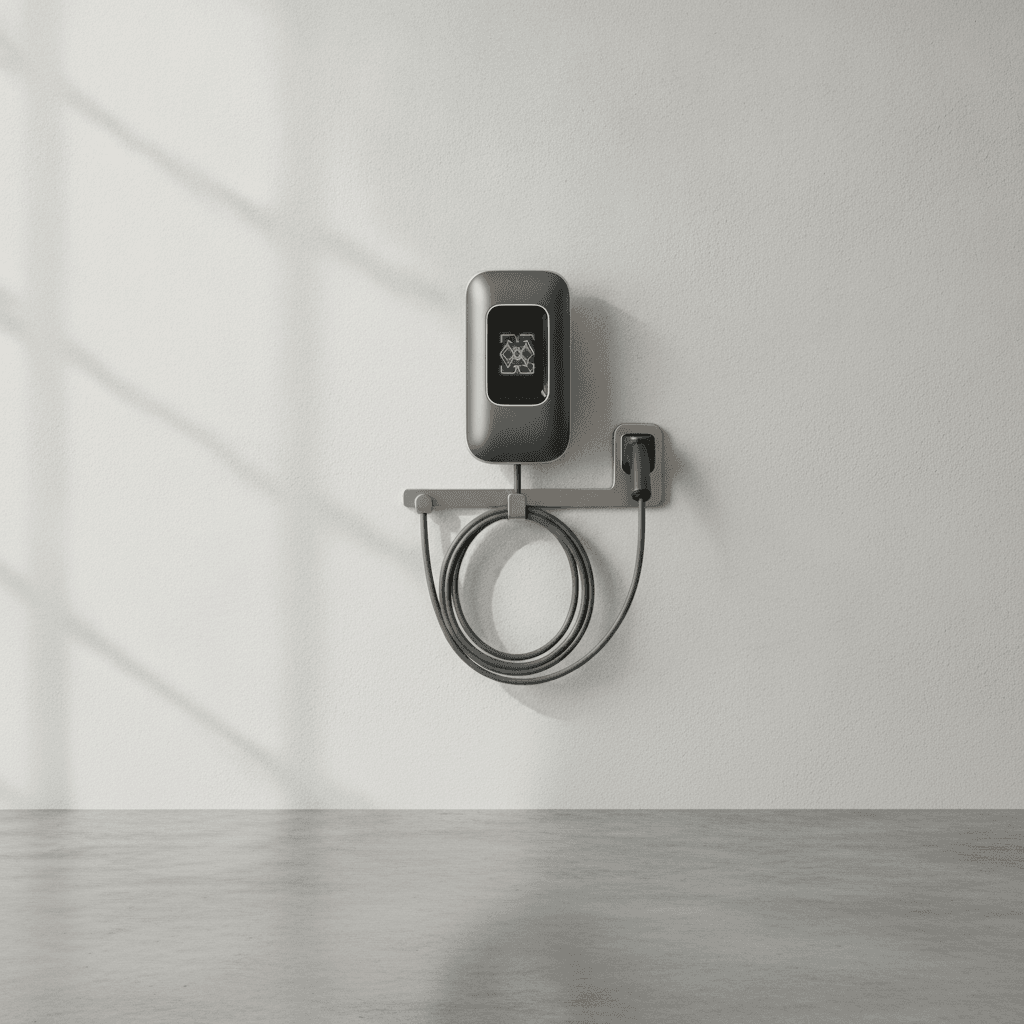
A strong smart alternative to ChargePoint worth quoting, especially if you want the full 50A and a longer cable. Confirm current US support and warranty terms before you buy.
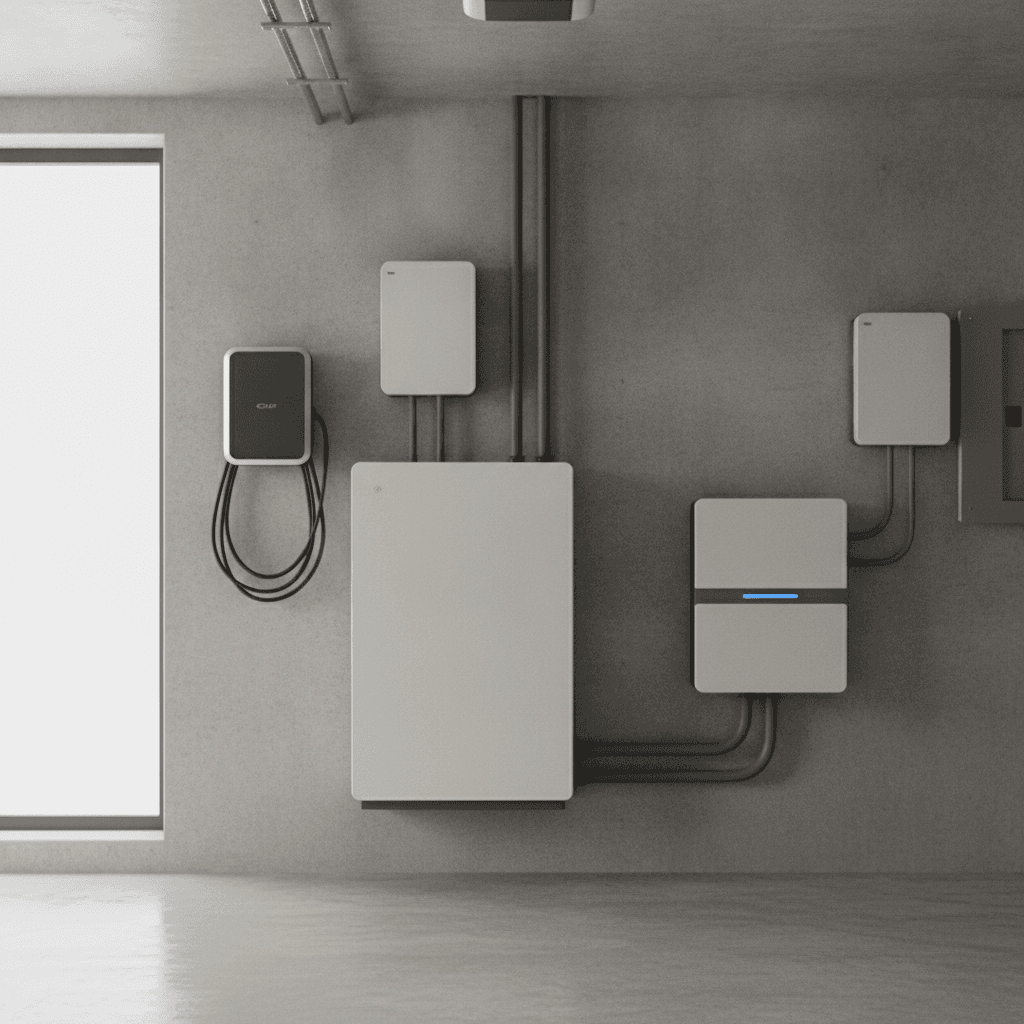

Enphase
Buyer priority
Worth it mainly if you already run Enphase solar or storage. As a standalone charger it is a fair smart unit, but the ecosystem tie-in is the real reason to pick it.

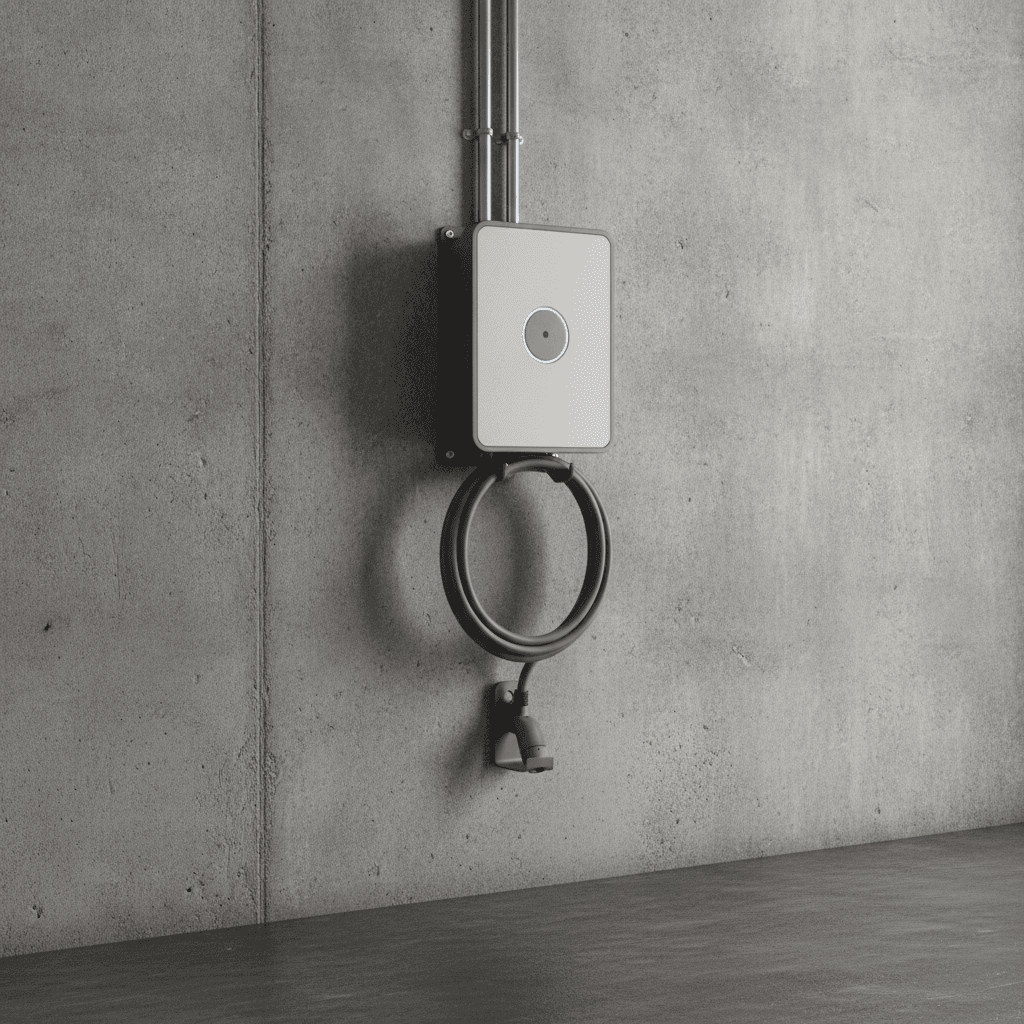
Leviton
Buyer priority
Leviton comes at EV charging from the electrical trade rather than from consumer electronics, and it shows in both directions. The EV480 is a straightforward 48A hardwired unit, 11.6 kW, 18 foot cable, ENERGY STAR certified, at $935.96. That is more than the value brands and it buys trade familiarity and a supply chain your electrician already uses. The catch is the warranty: two years on indoor EV charging products, which is short next to the five years several competitors offer on a device that lives outdoors and runs for a decade.
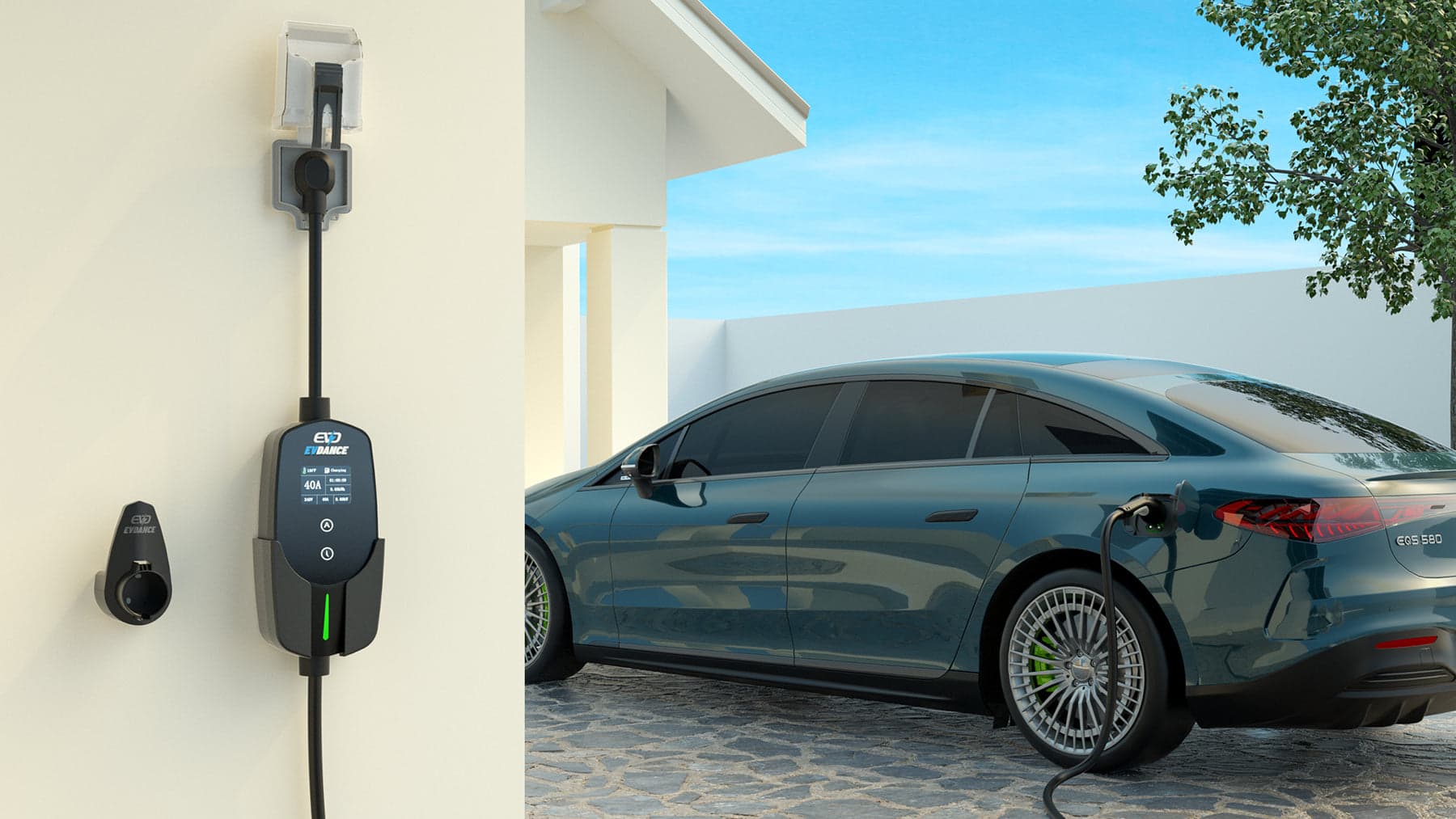

EVDANCE
A conditional budget option, not a default recommendation. Shortlist only an explicitly ETL-listed model, verify the certification label on the delivered unit, and treat the published one-year US warranty as the safe baseline unless the order confirms longer coverage.

JuiceBox
Hard to recommend at full smart-charger value after the 2024 Enel X Way North America wind-down. If you already own one it still charges; if you are shopping new, confirm who supports the app today before you spend.

Lectron
A reasonable value option, especially if you also need adapters. Confirm the safety listing and amperage on the exact model before buying, since the range is broad.
Compare all 11 side by side
| Rank | Brand and verdict | Price range | Check first |
|---|---|---|---|
| 1 | Tesla | $535 to $600As of July 2026 | Both Wall Connectors are hardwire only. Budget for a licensed electrician and, for the full 48A, a dedicated 60A circuit. Get a panel assessment before you buy, not after. |
| 2 | ChargePoint | $494 to $539As of July 2026 | Decide connector at checkout, J1772 or NACS. An adapter covers the other standard, but order the one matching the car in your driveway today. |
| 3 | Emporia | $449 to $599As of July 2026 | The connector is fixed at purchase, J1772 or NACS. A two-car household with mixed ports needs two units or an adapter. |
| 4 | Wallbox | $650 to $700As of July 2026 | The 48A version is hardwire only and needs a 60 A breaker, get a panel assessment before paying for the faster model. |
| 5 | Grizzl-E | $300 to $900As of July 2026 | The Classic has no app, no WiFi and no energy reporting, check whether your utility rebate requires a connected charger before choosing it. |
| 6 | Autel | $434 to $974As of July 2026 | Full 50 A output requires hardwiring on a 60 A circuit, a NEMA 14-50 plug-in install is capped at 40 A under US code, so confirm which install your electrician is quoting. |
| 7 | Enphase | $999 to $1,374As of July 2026 | Green Charging and battery-aware charging require Enphase microinverters or an IQ Battery plus consumption CTs; standalone buyers pay for features they cannot use |
| 8 | Leviton | $936+As of August 2026 | The warranty is two years. Several competitors give five on a device that lives outside. Weigh that against the price. |
| 9 | EVDANCE | $230 to $390As of July 2026 | Choose only the exact ETL-listed variant. Some EVDANCE product pages mix an ETL-listed option with a separate 'Standard Safety' option, so confirm the selected SKU and the certification mark on the delivered unit. |
| 10 | JuiceBox | No sourced priceAs of July 2026 | The original Enel X Way app stopped working for most owners in July 2025; smart features now depend on VoltiE's PowerUp app, so verify your specific unit connects before relying on scheduling |
| 11 | Lectron | $250 to $400As of July 2026 | Warranty varies by model and generation: the NEXUS product page includes 3 years, Lectron's own blog states a 2-year baseline on chargers and accessories, and older V-Box units shipped with 1 year; confirm the exact term for your SKU at checkout |
Charger type, sourced price, and what to check before buying, in a row each. Filter by type to narrow the shortlist. Last data pass: August 17, 2026.
Prices are unit prices from the brand's own store on the dated check. The install is a separate number: a hardwired 48A unit needs a circuit your panel can actually carry, and the electrician, permit, and any panel work land on top. Each brand page links its source.
How we rank
What these rankings are built on
Every profile is researched from 44 sources across the 11 brands in 5 countries: manufacturer product pages, spec sheets, safety certifications, and warranty documents. Last data pass: August 17, 2026. Each brand page links its own sources.
We may earn an affiliate commission if you buy through our links. We keep full editorial control and do not sell or pre-guarantee rankings. See our editorial policy and affiliate disclosure.
- 1.The panel comes before the badge. A 48A hardwired charger on a service that cannot carry the circuit is a panel upgrade wearing a charger's price tag.
- 2.Hardwired and plug-in units are compared inside their own lane. Plug-in is the honest answer for renters and for anyone who may move the charger.
- 3.Safety listings and outdoor ratings are checked at the model level, not claimed for a whole brand.
- 4.Smart features are weighed against the app and account they depend on. A charger that needs a working cloud service to schedule is a different purchase from one that does not.
Start Here
Best home EV chargers
The broad buyer-facing roundup before you go deep on any single charger.
Fastest Path
Find the right charger
Start with the editorial roundup, then the brand reviews to build your shortlist.
Budget Check
Real all-in costs
Use cost reality to cut the wrong chargers and setups before you waste more time.
Buying guides
Go deeper on specific charger types, budgets, and scenarios.
Best Home EV Chargers
The broad buyer-facing roundup before you go deep on any single charger.
Hardwired vs Plug-In
The core install choice, compared on cost, amperage, and flexibility.
EV Charger Amperage Guide
How to size 32A, 40A, or 48A to your car and your panel.
Do I Need Level 2 Charging?
Whether Level 2 is worth it for your commute, or if a standard wall outlet is enough.
NEMA 14-50 Outlet Safety
The outlet most plug-in chargers use, and how to make sure yours is wired safely.
EV Charger Safety
What matters for a safe home install: the circuit, the breaker, and the panel.
EV Charger Buying Mistakes
The buying mistakes that cost real money, and how to avoid them.
Real All-In Costs 2026
Budget for the charger, the 240V circuit, the permit, and the panel upgrade buyers miss.
Frequently asked questions
What is the best home EV charger for beginners?
For first-time buyers, a plug-in Level 2 charger is the simplest start if you already have a 240V outlet like a NEMA 14-50. The Tesla Universal Wall Connector and Emporia are common picks because setup is straightforward. The harder question is usually the outlet and the circuit, not the charger brand.
What is the best smart EV charger?
Smart chargers add app control, scheduling to off-peak rates, and adjustable amperage. ChargePoint Home Flex, Emporia, and Wallbox Pulsar Plus are common smart picks. A non-connected charger is fine if your utility does not have time-of-use pricing and you do not need the app.
How much does a home EV charger cost?
The charger itself is usually $350 to $800. The bigger cost is the install: a dedicated 240V circuit, sometimes a permit, and a panel upgrade if your electrical panel is full. That install, not the charger, is where most of the money and the mistakes are.
Do all home EV chargers work with any car?
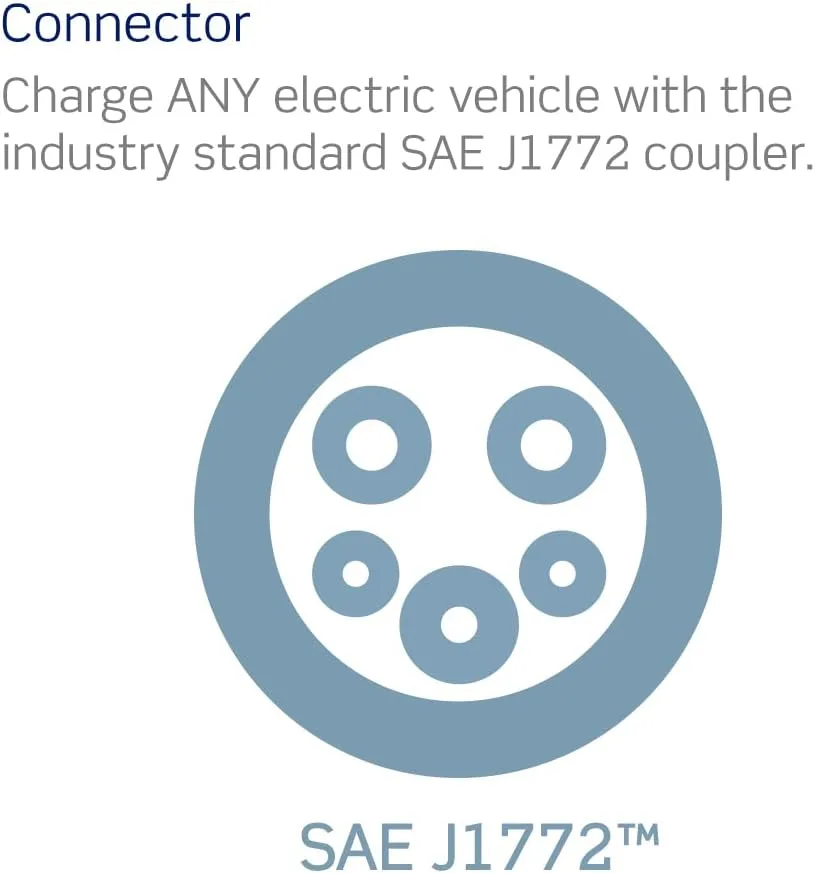
Most Level 2 home chargers use the J1772 plug and work with any EV sold in North America. The Tesla Universal Wall Connector adds a built-in adapter, so it works with both Tesla and non-Tesla cars. Check the plug and the cable length before you buy.
Are expensive EV chargers worth it?
A pricier charger mostly buys smart features, a longer cable, higher amperage capability, and a better warranty. The core job, delivering Level 2 power safely, is the same across brands. Spend on the right amperage and a clean install before you spend on the badge.
Get the home EV charger buying guide.
Real costs, brand comparisons, and the buying mistakes to avoid before you spend thousands.