A charger is $350-$800. The install is where it adds up
Get the right charger, at a fair price.
Tell us your space and budget. We'll weigh Tesla against the alternatives that fit you, and check your quote so you don't overpay.
- ✓ Free
- ✓ No sales pitch
- ✓ Reply in ~2 days
Product Range
Our Tesla Review
The easy default for most hardwired installs. Confirm your panel can carry a 60A circuit before committing to the full 48A.
The standard Wall Connector is $535 and the Universal Wall Connector is $600, both direct from Tesla's shop with a 24-foot cable. The $65 premium buys a built-in J1772 adapter, which is the version to get if you drive anything other than a Tesla. Both are hardwire only, so add an electrician's install quote on top, typically on a 60A breaker for the full 48A. Tesla sells at flat list price with no markdowns showing. The $300 Mobile Connector covers occasional plug-in charging if you are not ready to hardwire.
shop.tesla.com · Verified July 2026
Before you buy Tesla
These are the fastest buyer pages to read next if this brand is on your shortlist.
Start with the best home EV chargers
Narrow the right charger, amperage, connector, and install path before you compare brands.
Check the real installed cost
Budget for the charger, circuit, permit, labor, and a panel upgrade if your home needs one.
See if you need Level 2 at all
Match your daily miles and overnight hours to Level 1 or Level 2 before you spend.
Tesla vs ChargePoint
Compare connector choice, app, amperage, warranty, and installed cost.
NACS vs J1772
Choose the connector around your current car and the next one, not the logo on the wall.
Check your amperage and circuit
Match the charger to your car, circuit, panel, and overnight charging window.
EV charger buying mistakes
Avoid the common errors around amperage, connector, outlet quality, and panel capacity.
Tesla in context
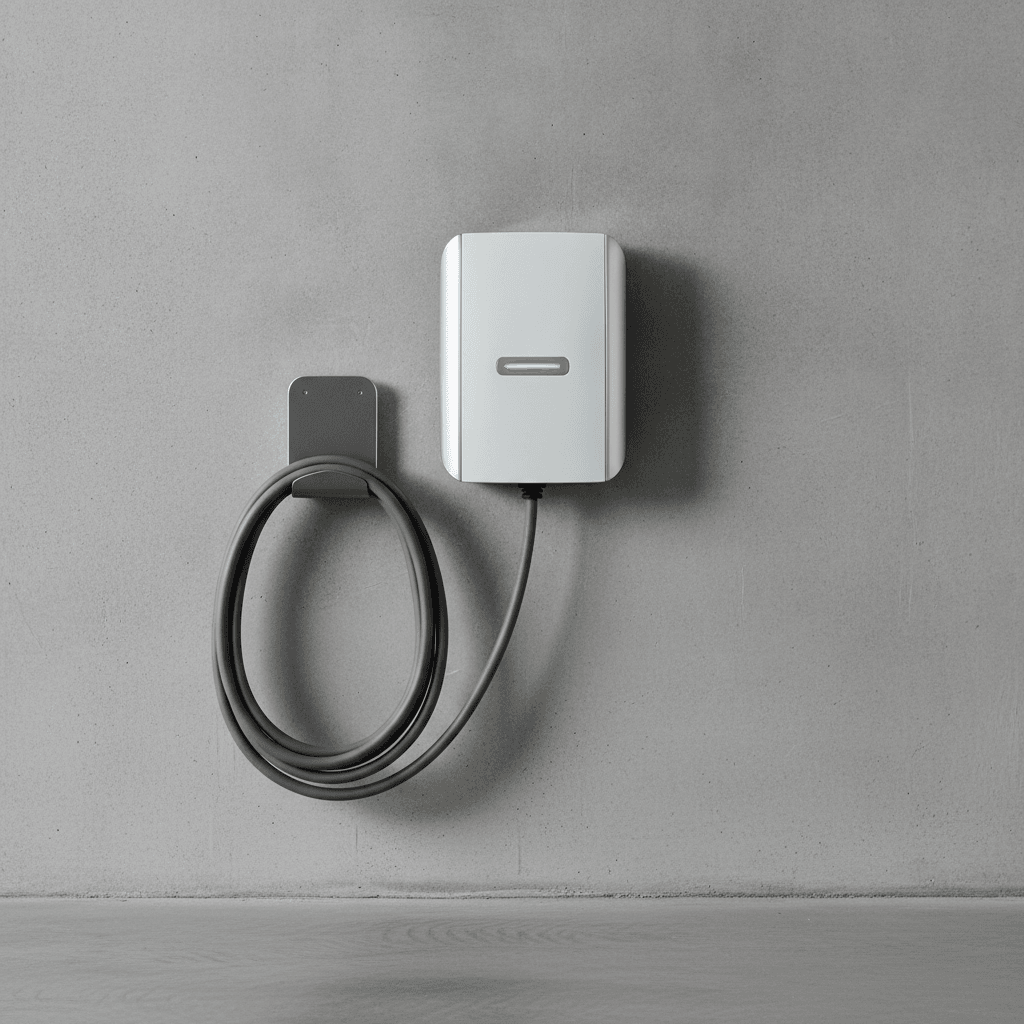
Illustrative home-charging photography for context, not supplied by the brand. Any links go to the brand's own site.
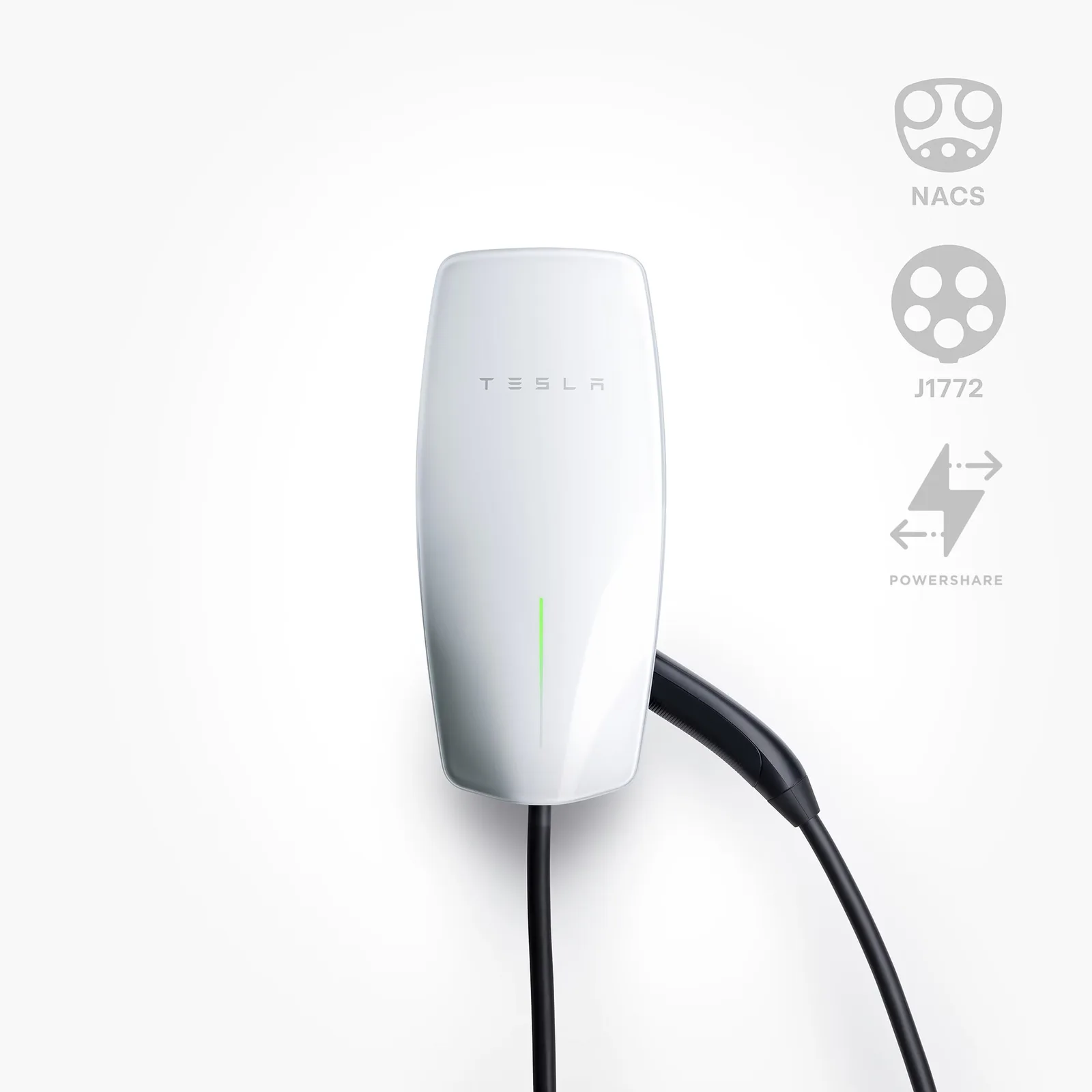
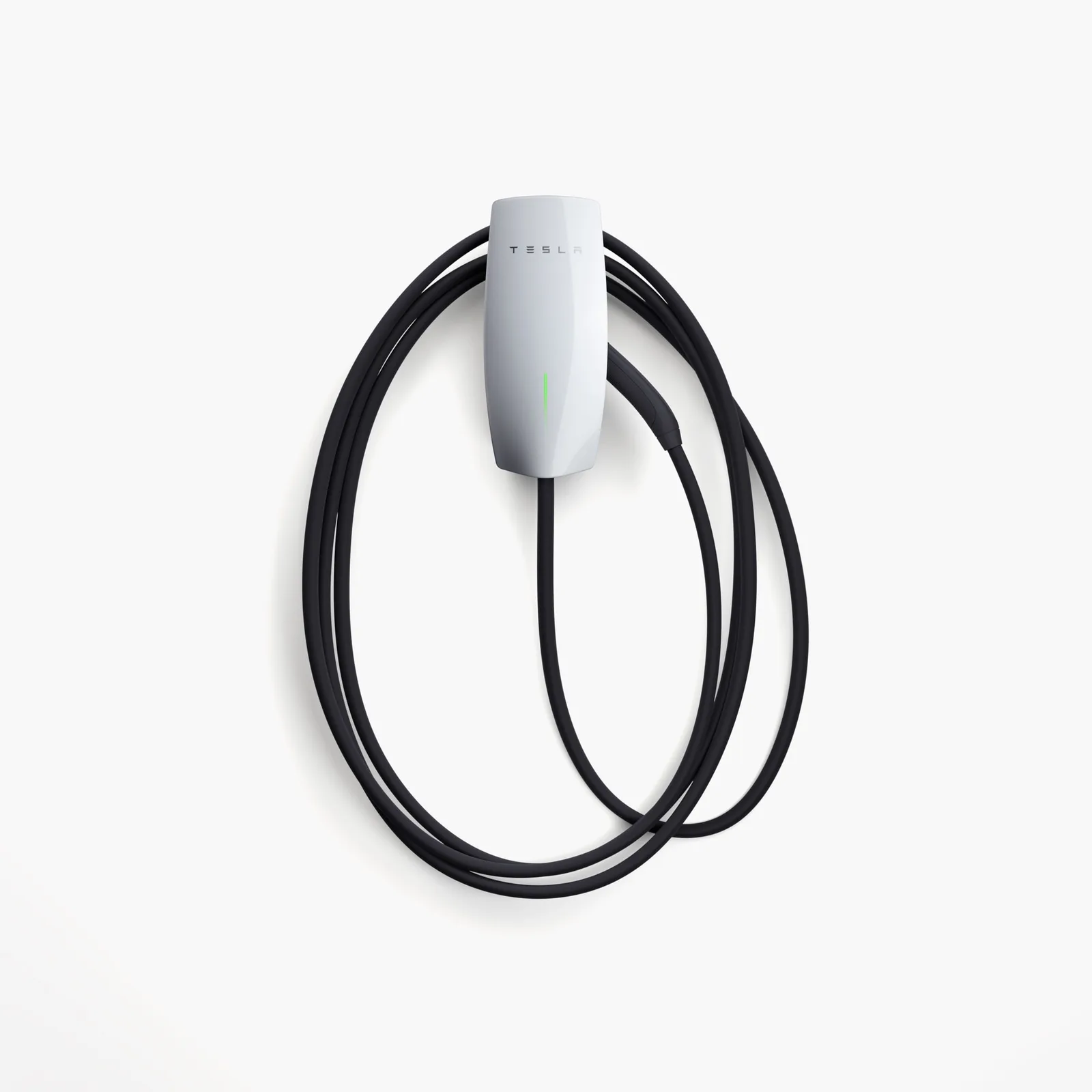
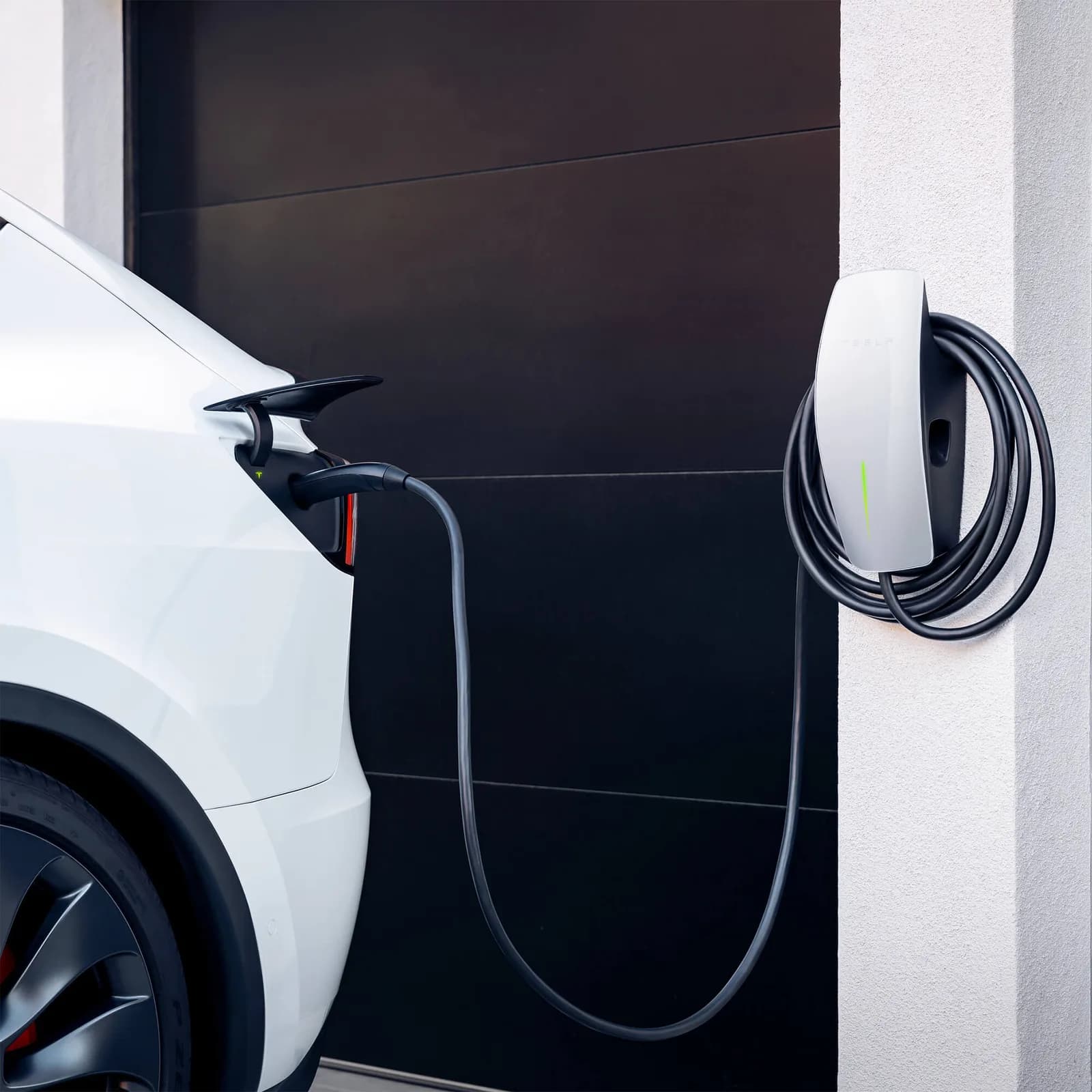
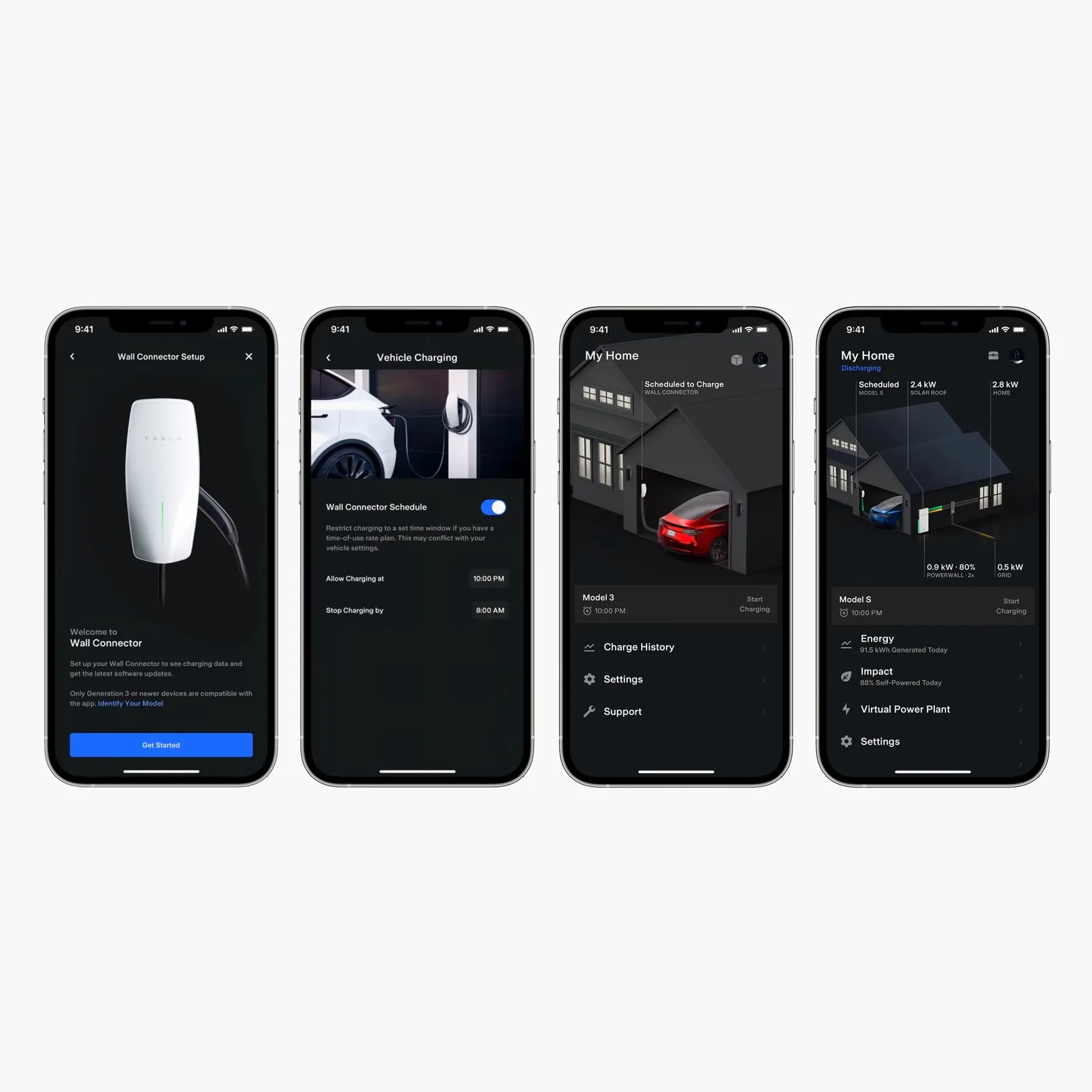
Images courtesy of Tesla.
Strengths & Considerations
Strengths
- +The Universal Wall Connector has a built-in J1772 connector alongside NACS, so it charges any North American EV without a separate adapter; the standard Wall Connector is NACS-native for Tesla owners.
- +Up to 48A and 11.5 kW output (about 44 miles of range per hour) with a long 24-foot cable that reaches most parking spots.
- +Four-year residential warranty, the longest of these three, and a NEMA 3R rating for indoor or outdoor mounting.
- +Supports power sharing, so multiple units can split one circuit, which most home chargers cannot do.
- +The standard unit is competitively priced at $535 (Tesla shop, July 2026) and has a long, well-documented field track record as a reliable daily charger.
Watch Out For
- −Both models are hardwire-only with no plug-in version, so they need a licensed electrician and a dedicated 60A circuit; a panel upgrade may be required and DIY work can void the warranty or fail inspection.
- −The cheaper standard Wall Connector uses Tesla's NACS plug, so a non-Tesla J1772 owner must buy an adapter or step up to the pricier Universal model.
- −The Universal Wall Connector costs $600 versus $535 for the standard unit (Tesla shop, July 2026), a $65 premium for the built-in J1772 adapter.
- −Smart features such as scheduling and monitoring run through Tesla's app and account rather than a standalone interface.
Before You Buy: Confirm These
These are Tesla's own documented terms and open questions, not our own test results. Confirm the specifics in writing before you order.
- ?Both Wall Connectors are hardwire only. Budget for a licensed electrician and, for the full 48A, a dedicated 60A circuit. Get a panel assessment before you buy, not after.
- ?The $535 standard Wall Connector has a NACS plug only. If you drive a J1772 car, you need the $600 Universal version or a separate adapter. Check your charge port before ordering.
- ?Scheduling and monitoring run through the Tesla app and a Tesla account. Non-Tesla owners should be comfortable managing charging inside Tesla's ecosystem.
- ?Check your utility's rebate list before buying. Some programs only pay out on specific networked or ENERGY STAR chargers, and Tesla units are not on every list.
Alternatives to Compare
ChargePoint
mid rangeA strong all-rounder worth quoting against Tesla, especially if you want a plug-in install and utility-program scheduling.
Wallbox
premiumA strong compact choice with a good app. If you want the smallest wall footprint, it is worth a look next to ChargePoint.
Emporia
mid rangeThe value answer, and the load-management feature is genuinely useful for avoiding a panel upgrade on a full panel.
Comparing a few brands?
Tell us your space and budget. We'll tell you whether Tesla or one of these fits you better, and check your quote so you don't overpay.
Why Consider Tesla?
Hardwired, up to 48A, UL listed. The Universal Wall Connector adds a J1772 adapter alongside the built-in NACS connector, which is why it is a safe buy through the connector transition.
Key Models
Support & Warranty
Four-year warranty for residential use on both the Wall Connector and Universal Wall Connector, stated on Tesla's own product pages and the longest in this comparison. Support runs through the Tesla app and web rather than a dedicated phone line. For installation, Tesla points buyers to its network of 1,000+ certified installers for quotes.
FAQ
Is Tesla worth it in 2026?
The easy default for most hardwired installs. Confirm your panel can carry a 60A circuit before committing to the full 48A.
How much do Tesla chargers cost?
Tesla chargers run from about $535 up to about $600 based on current pricing on shop.tesla.com as of July 2026. The standard Wall Connector is $535 and the Universal Wall Connector is $600, both direct from Tesla's shop with a 24-foot cable. The $65 premium buys a built-in J1772 adapter, which is the version to get if you drive anything other than a Tesla. Both are hardwire only, so add an electrician's install quote on top, typically on a 60A breaker for the full 48A. Tesla sells at flat list price with no markdowns showing. The $300 Mobile Connector covers occasional plug-in charging if you are not ready to hardwire.
Who is Tesla best for?
Buyers who want a proven hardwired 48A unit and a connector that works today and after the NACS shift.
What should buyers watch out for with Tesla?
Both Wall Connectors are hardwire only. Budget for a licensed electrician and, for the full 48A, a dedicated 60A circuit. Get a panel assessment before you buy, not after.
What brands should you compare against Tesla?
Most buyers should compare Tesla with ChargePoint, Wallbox and Emporia before deciding. That gives you a better read on price, support, and where the brand actually fits.
How strong is Tesla on warranty and support?
Four-year warranty for residential use on both the Wall Connector and Universal Wall Connector, stated on Tesla's own product pages and the longest in this comparison. Support runs through the Tesla app and web rather than a dedicated phone line. For installation, Tesla points buyers to its network of 1,000+ certified installers for quotes.
Methodology
Brand verdicts are based on buyer fit, app and accessory ecosystem, support path, price pressure, and the risks that tend to show up after install. A strong reply from a manufacturer can improve factual clarity, but it does not improve placement.
If support coverage, warranty language, or dealer access are thin, we would rather say that plainly than hide it behind marketing copy.
Learn More
Getting a quote from Tesla?
Send it to us before you sign. We check the price against what buyers actually pay, flag what's missing, and tell you what to push back on. Free, no sales pitch.
Free. No sales pitch. Personal reply in ~2 business days.
Still researching? Get the free buyer's guide