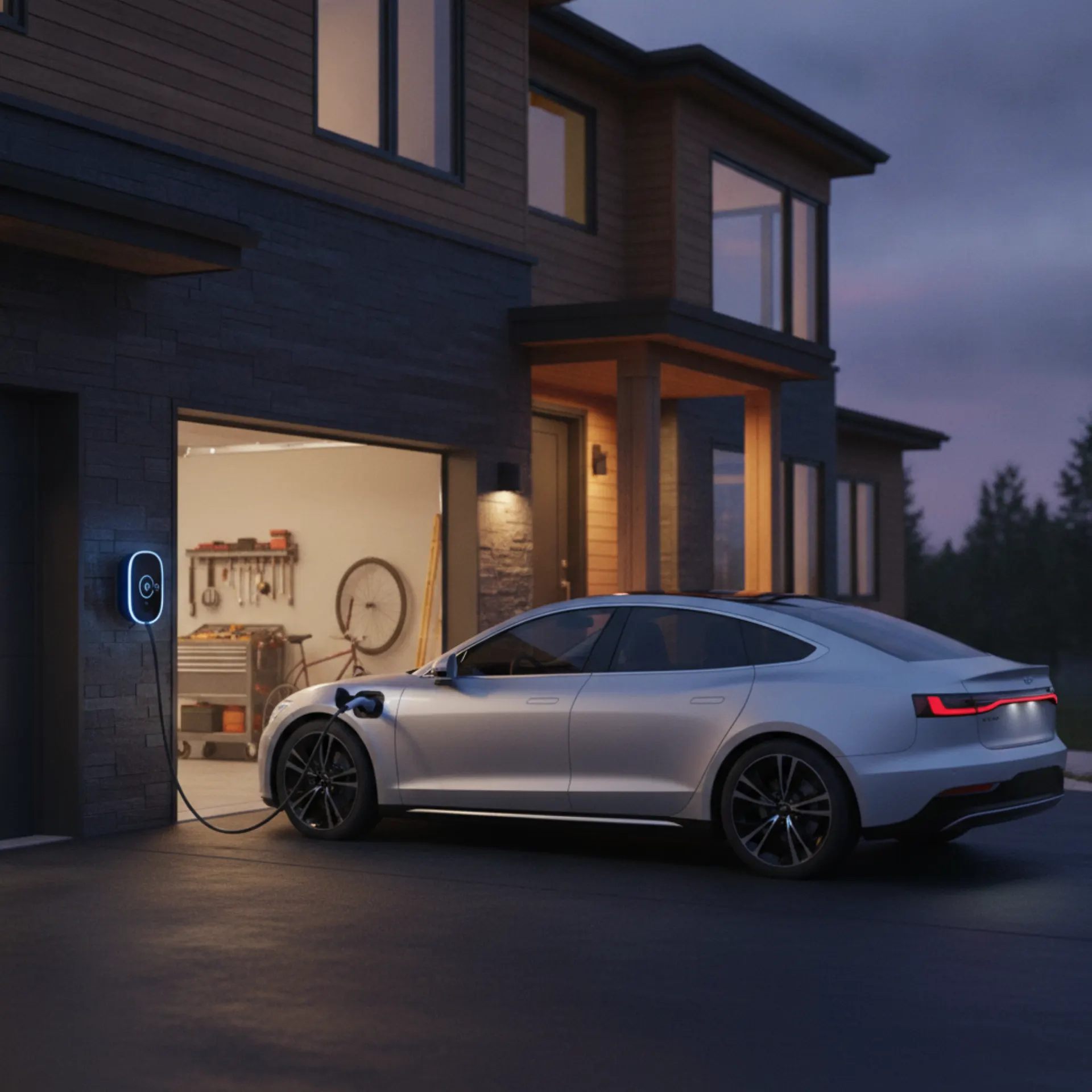
We don't sell chargers.
We save you from buying the wrong one.
The independent guide to charging your EV at home. What it actually costs installed, what actually matters, and what everyone gets wrong.
Just starting your charger research?
Real costs, real reviews. One email, no spam.
Already got a quote? Get a free read on it
Start here
Four useful paths. Pick the question you have now.
Sound familiar?
You bought the car. Now you have 40 tabs open about the charger.
You just spent $55,000 on the car, and the charger feels like the easy part. It's $400. Then the electrician comes out and the number is $2,800, or someone says the words “panel upgrade”, and suddenly the cheap part of this whole thing is the box on the wall.
Here's the thing. Most “best EV charger” lists are written by companies that sell chargers, or by affiliate sites ranked by commission rate, and most of them compare WiFi apps while ignoring the part that decides the project. The electricians quote you thousands apart for the same job. And nobody puts the two numbers that actually matter on the page: what the install costs, and whether your panel can even take it before the electrician shows up.
Because the charger is the cheap part. The 240V circuit, the load calculation, the permit, and the panel upgrade you may or may not need are where the money and the mistakes live, and the product page mentions none of it.
The panel upgrade you didn't need
One electrician quotes $4,000 with a service upgrade, the next says a 32-amp circuit on your existing panel fills the car by morning for $900. A bigger charger means a bigger breaker, thicker wire, and sometimes a panel upgrade you never needed. We help you know which one you're being sold.
The 14-50 outlet that melts
The internet's favorite $15 receptacle, wired by whoever was cheapest, carrying a continuous 240V load it was never meant for. Cheap 14-50 outlets have melted under EV charging, which is exactly why a proper outlet installed to code, or a hardwire, is not the corner to cut.
The charger that got bricked
A no-name unit with an inflated 48A claim and no UL listing, or an app-dependent charger from a company that folded and took the features with it. It happened to real owners when Enel X shut down its US app. The charger is only as durable as the company behind the cloud it depends on.
Close the other tabs
Everything you need, before you call an electrician.
We spent the hours so you don't have to. Read any of it free, and get the 3-email buyer's pack if you want the short version delivered.
What it actually costs installed
The real numbers for 2026. The charger, the 240V circuit, the load calc, the permit, and the panel upgrade that either does or does not apply to your house. We break down real installed budgets from a $500 easy run near the panel to a $4,000 project with a service upgrade.
Read the guide →Do you need Level 2, and which setup fits
First, the honest question: for a low-mileage driver, the Level 1 cord that came with the car is sometimes enough, and we'll say so. If you do need Level 2, we map hardwired vs plug-in and 32A vs 48A against your car's charge rate and your panel, with real prices, so you buy the right one once.
Read the guide →What everyone gets wrong
The mistakes owners report over and over: the panel upgrade they didn't need, the connector that was wrong within a year, the cheap outlet, and the app-bricked charger. Plus the setups we'd actually buy at each budget.
Read the guide →Just starting your charger research?
Real costs, real reviews. One email, no spam.
Already got a quote? Get a free read on it
Why listen to us? We don't have a charger to sell you.
No skin in the game
We don't sell chargers. We're not an installer, and no brand backs this site. When we tell you a 32-amp charger on your existing panel is the right call and the 48-amp unit would have forced a panel upgrade you didn't need, it's because it's true.
We did the homework
We read the owner forums, the install-quote threads, the electrician boards, the app-shutdown stories, and the manufacturer install manuals. We track sourced weaknesses per charger, including which units are UL or ETL listed and which depend on an app that could disappear.
We name the junk
Most sites won't tell you that a plug-in 48A no-name unit with no safety listing is a bad bet, or that an app-dependent charger is one company failure away from losing its features. We will, out loud, with the pattern to spot it yourself. When a good charger is overpriced, we say that too.
From real EV owners
Sound familiar? That's exactly why we made this.
Before anything else
The page that isn't selling anything.
A Level 2 charger is a continuous 240V load, and installed wrong it is a real fire risk: undersized wire, a cheap non-GFCI outlet, backstabbed connections, no permit and no inspection. There is real reporting on NEMA 14-50 outlets melting under EV charging. If you read one page on this site, read this one. No products on it, no email box, nothing to buy.
EV charger safety →When you're ready to buy
The chargers worth your shortlist.
We reviewed the home charger market so you don't have to. Here's where a serious buyer starts.
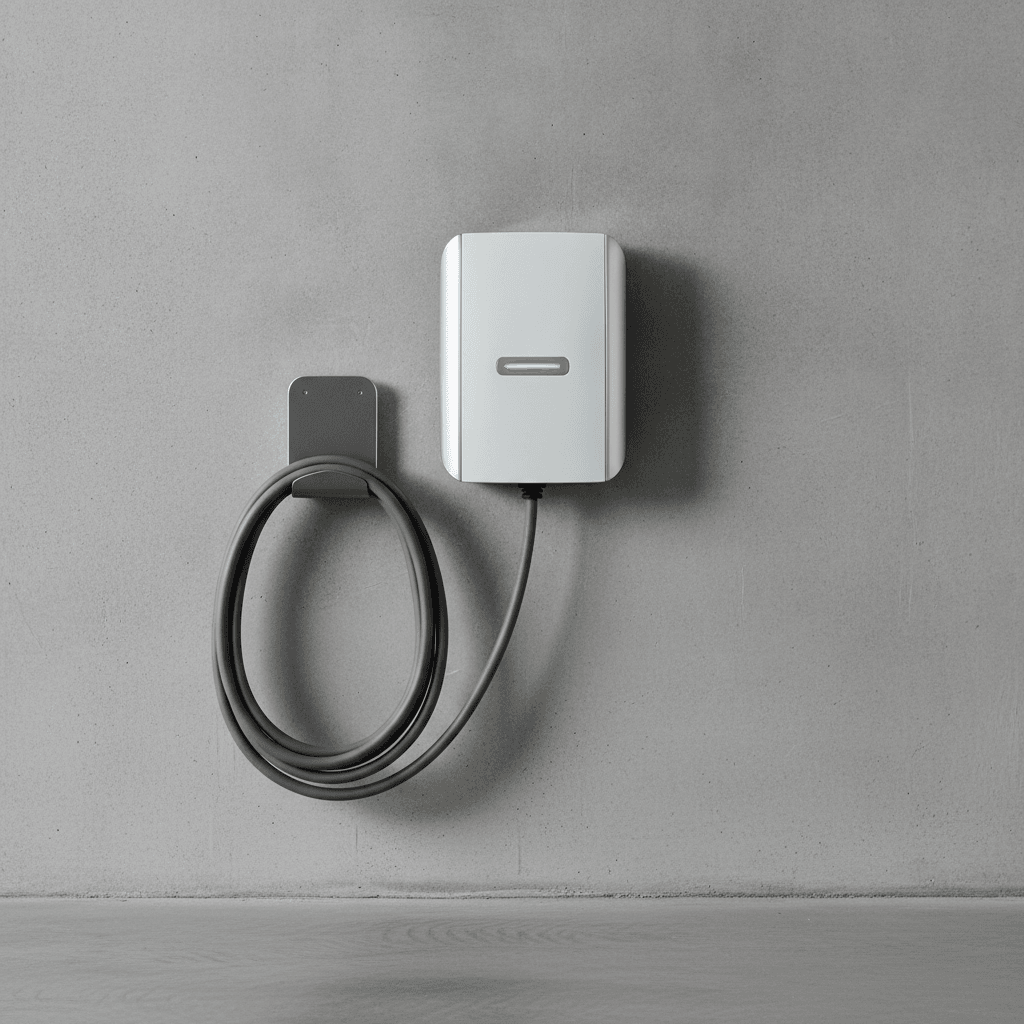
Hardwired · 48A
Tesla Universal Wall ConnectorThe easy default: a proven hardwired 48-amp unit at a fair price, and it carries both J1772 and NACS, so it isn't a connector gamble.
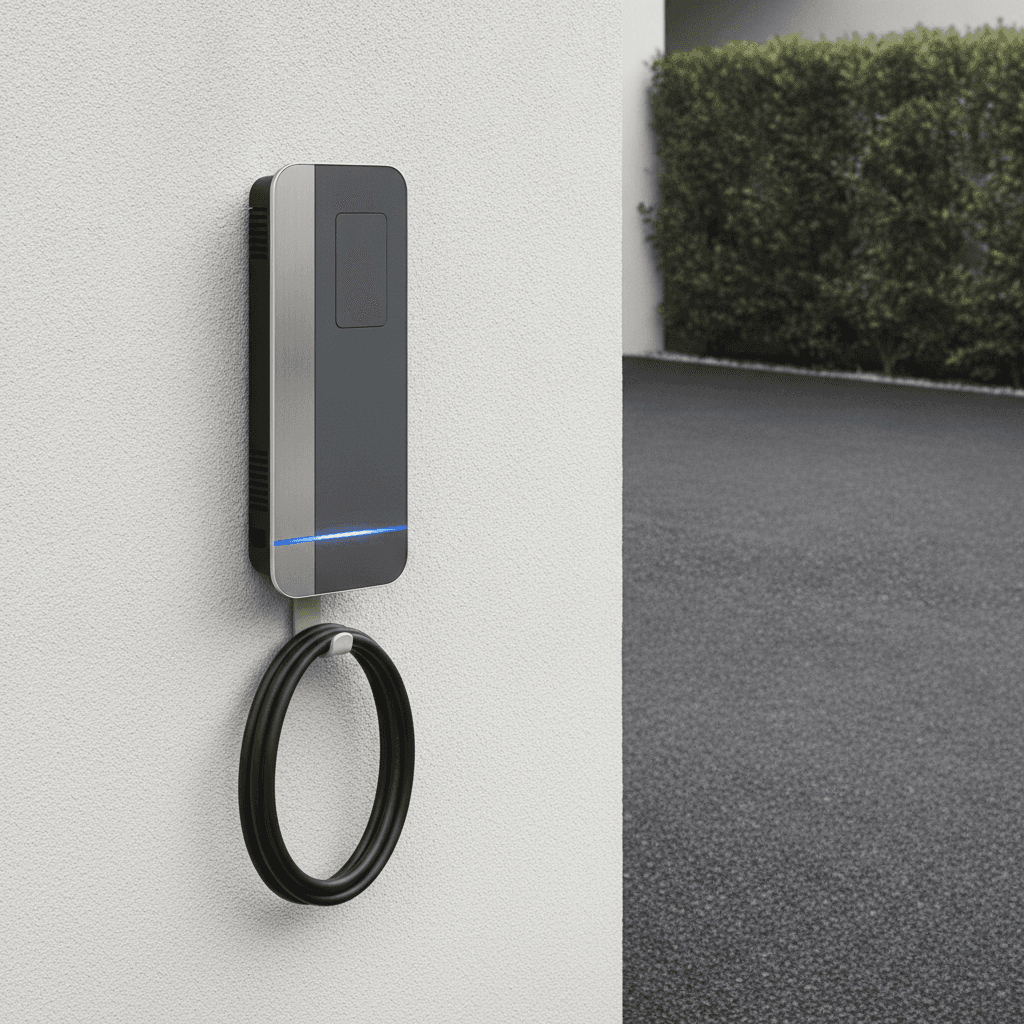
Plug-in or hardwired · up to 50A
ChargePoint Home FlexThe flexible pick, plug-in or hardwired, with mature scheduling and utility-program support. Worth quoting against Tesla.
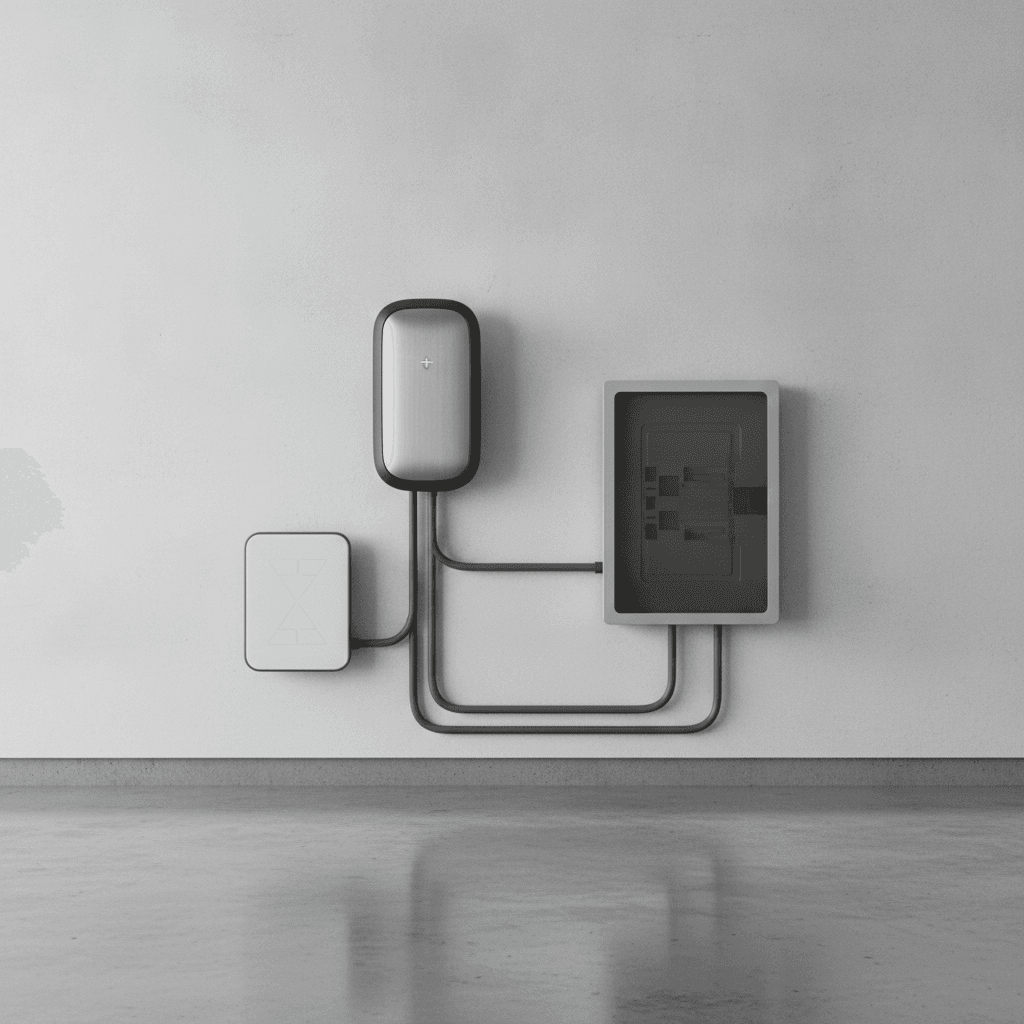
Plug-in or hardwired · value
EmporiaThe value pick with a real trick: whole-home energy monitoring and load management that can help you avoid a panel upgrade.
Plug-in or hardwired · rugged
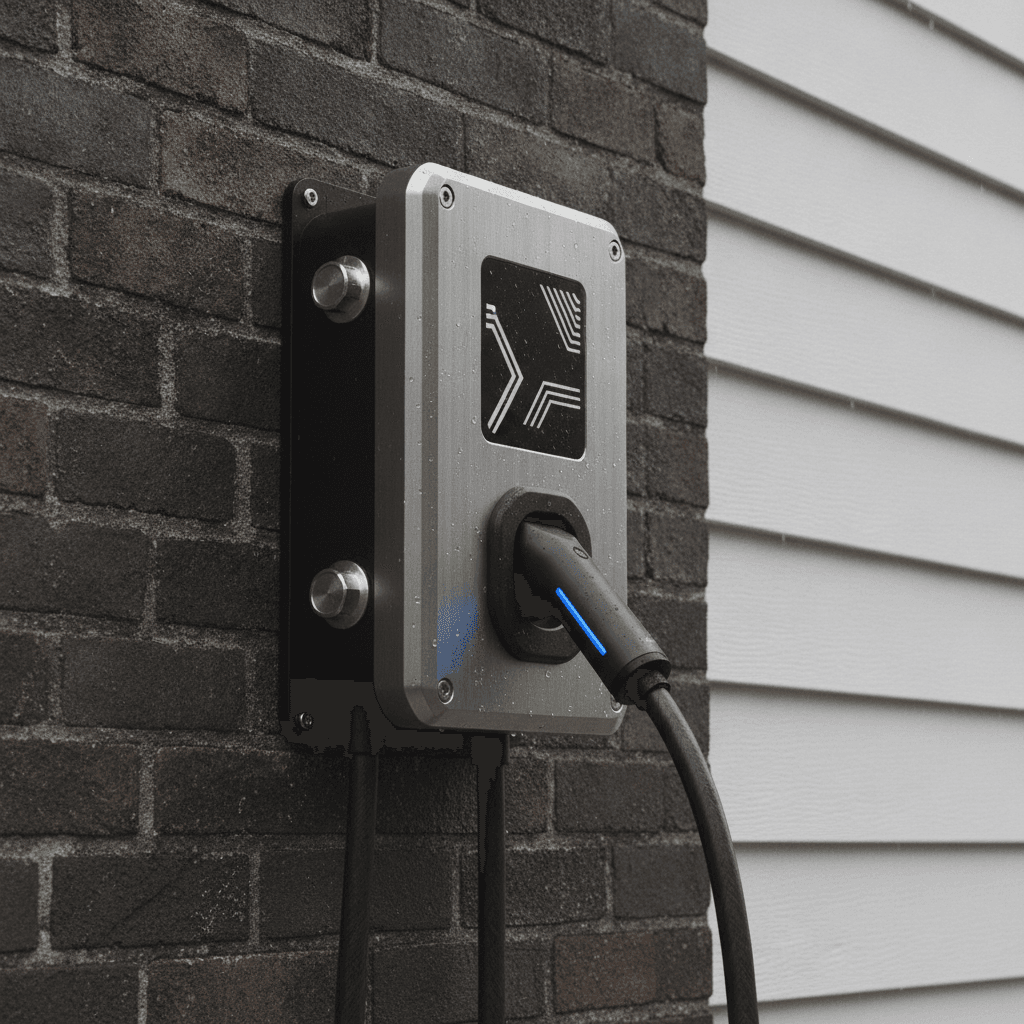
Grizzl-EThe rugged, simple, no-app-dependency choice. A metal body, and nothing to brick if a company folds.
Before you buy
Home charging questions, answered straight.
- Do I need Level 2 charging at home, or is a standard outlet enough?
- It depends on how many miles you drive and how many hours the car sits plugged in. Level 1 is a standard 120V outlet with no install, but it adds range slowly, so it only keeps up with short daily driving. Level 2 runs on a 240V circuit and charges several times faster, which is why most two-car households and longer commuters end up wanting it. If you drive a little and park overnight for many hours, a standard outlet can be all you need.
- How much does it cost to install a home EV charger?
- The charger itself is usually the cheap part, roughly $350 to $800 for a good Level 2 unit. The install is where the money and the surprises live: a licensed electrician has to run a dedicated 240V circuit, pull a permit, and possibly upgrade your panel. Price the whole project, not the box, because the lower the charger price looks, the more of the real cost is hiding in the electrical work.
- Should I get a hardwired charger or a plug-in one?
- A plug-in charger connects to a 240V outlet, usually a NEMA 14-50, so it is easier to swap or take with you. A hardwired charger is wired straight into the circuit, which many higher-amperage units and most outdoor or code-driven installs require. Both need a dedicated 240V circuit and a licensed electrician, so the choice is mostly about flexibility versus the amperage and location you are planning for.
- Will I need a panel upgrade to charge at home?
- Maybe, and it is the single biggest cost swing in the whole project. Whether you need one comes down to the spare capacity in your existing panel and everything else it already runs. A licensed electrician does a load calculation to tell you for sure. If capacity is tight, a lower amperage or a load-management setup can sometimes avoid the upgrade, so ask about those before you assume the worst.
- What amperage should my home charger be: 32A, 40A, or 48A?
- Match the amperage to two things: what your car actually accepts and what your panel and circuit can support. Higher amps charge faster, but they need a bigger circuit and often a hardwired install, and paying for 48A your car cannot use is wasted money. For most drivers charging overnight, a mid-range setup refills the battery with hours to spare, so more speed rarely changes anything.
- Do I need a permit and a licensed electrician for a home charger?
- Almost always. A 240V circuit is real electrical work, so most areas require a permit and an inspection, and doing it yourself can fail inspection or affect your insurance. Requirements are set locally, so call your building department before you start. The expensive failure is skipping the permit and being told to redo finished work, which costs far more than doing it right the first time.