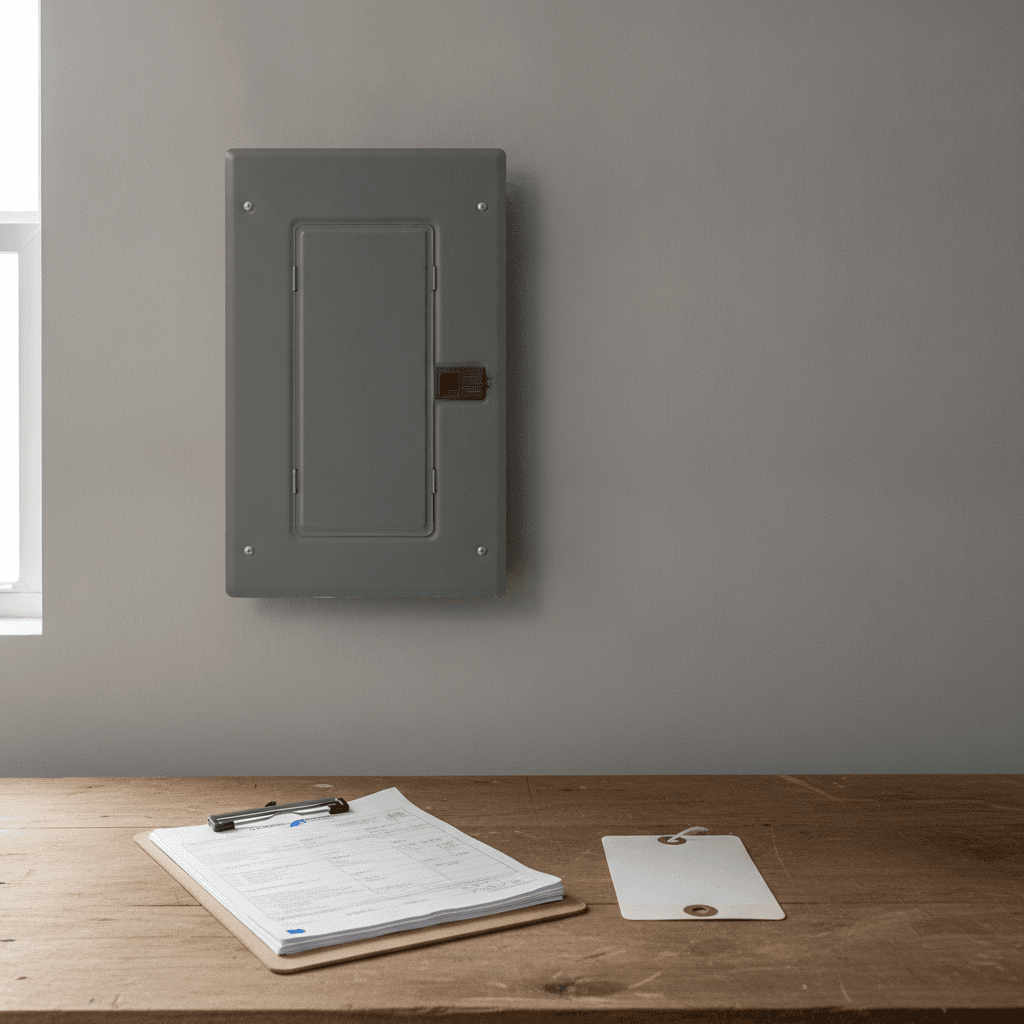
Yes, almost every US jurisdiction requires an electrical permit and inspection for a Level 2 EV charger. Skipping it fails a home sale and is a fire risk.
Installation
Quick answer: Yes. In almost every US jurisdiction, installing a hardwired Level 2 EV charger, or a dedicated 240 volt outlet for one, requires an electrical permit and a final inspection, pulled by the licensed electrician doing the work. A permit usually costs a few hundred dollars and adds a scheduling step, and it is the record that the circuit was sized and installed to the National Electrical Code. Skipping it is how unpermitted work catches fire, and how sellers get a failed inspection or a lower price when the buyer's home inspector finds uninspected 240V work.
Best for
Anyone about to install a Level 2 charger who wants to know whether a permit is required and what it is actually for.
Wrong fit
Buyers who only want product picks. This page has none. It is straight guidance on permits and inspection.
Tradeoff
A permit costs a few hundred dollars and a scheduling delay. Skipping it saves that, and risks an uninspected fire hazard and a failed home sale. It is not a close call.
Yes. In nearly every US jurisdiction, installing a Level 2 EV charger, whether hardwired or plugged into a new 240 volt outlet, requires an electrical permit and a final inspection. The licensed electrician doing the work pulls the permit as part of the job. It usually costs a few hundred dollars and adds a scheduling step, and it is worth every dollar and every day.
The permit is not red tape for its own sake. It is the paper trail that says a trained inspector confirmed the wire, the breaker, the GFCI, and the connections were right before the circuit was closed up in the wall. This page explains what needs a permit, what it costs, and why skipping it causes two specific problems: a fire risk nobody ever checked, and a home sale that falls apart at inspection. It has nothing to sell you.
Quick Answer: Does This Job Need a Permit?
The work
Permit needed?
Hardwired Level 2 charger on a new circuit
Yes, almost always
New 240V outlet (NEMA 14-50) for a plug-in charger
Yes, almost always
Panel or service upgrade to support the charger
Yes, and often a utility coordination step too
Plugging a Level 1 cord into an existing 120V outlet
No, that is just using an existing outlet
Rules vary by city and county, so the electrician confirms your local requirement. But the default answer for any new 240V circuit is yes, and an electrician who wants to skip the permit is a warning sign, not a saving.
What the Permit Actually Buys You
A permitted install is inspected. That means a second set of trained eyes, independent of the electrician, checks the work against the National Electrical Code before it is energized and buried in the wall for the next decade. The inspector confirms the wire is sized for 125 percent of the continuous load (NEC 625.41), that the breaker matches, that GFCI protection is present where required (NEC 625.54 and 210.8), and that the connections are correct. On a circuit that runs for hours every night, that verification is the difference between a safe install and a hidden hazard. Our EV charger safety guide covers what the inspector is actually looking for.
What It Costs
A residential EV charger permit is typically a few hundred dollars, depending on your jurisdiction, and a reputable electrician includes it in the quote as a named figure, not a vague "included" line. If a panel or service upgrade is involved, expect additional permit and utility coordination steps. This is one line item in a project where the install, not the charger, is the real number. For the full breakdown of what a charger install costs, including the permit, plus a checklist for what else a complete quote should name, see the real cost of installing an EV charger.
Why Skipping It Fails a Home Sale
When you sell, the buyer's home inspector looks at the electrical panel and the added circuits. Unpermitted 240V work is a red flag. It can trigger a demand that you have the work inspected and corrected before closing, a price reduction, or a failed sale, and correcting it after the fact is more expensive than permitting it the first time. Some jurisdictions also require permitted work to be disclosed. A charger install done right adds value and documentation. One done off the books becomes a liability that surfaces at the worst possible time.
Why Skipping It Is a Fire Risk
An uninspected circuit is a circuit nobody qualified ever verified. Most EV charger fires trace back to the same handful of install errors: undersized wire, a cheap non-GFCI outlet, or a loose connection. The inspection exists to catch exactly those before the circuit is energized. Skip it and the first time anyone finds the mistake is when it fails, which on a continuous load can mean an overheated wire or a melted outlet after months of nightly charging. The permit is a safety layer, not a formality. See NEMA 14-50 outlet safety for how the outlet failures happen.
The Electrician Pulls It, Not You
For a homeowner, the practical takeaway is short. Hire a licensed electrician, ask them to pull the permit, and confirm the final inspection is included in the quote. The 240V circuit itself is licensed-electrician work in every case, which is a safety line, not a style choice. You do not need to navigate the permit office yourself, and you should be wary of any bid that quietly leaves the permit out to look cheaper. That saving is borrowed against your home sale and your safety.
If your install also involves a panel upgrade, plan it once. A buyer adding a charger and a heat pump in the same year should size the service for both, using the heat pump electrical-panel guide for the heating load, and a battery or solar plan can change the panel math, covered at homebattery.guide. See do I need a panel upgrade for an EV charger for how that decision gets made.
Frequently Asked Questions
Do I really need a permit just to install an EV charger?
Yes, in almost every US jurisdiction, for any new 240 volt circuit, whether the charger is hardwired or plugged into a new outlet. The exception is simply plugging a Level 1 cord into an existing 120V outlet, which uses an outlet that is already there. For a Level 2 install, the electrician pulls the permit and schedules the inspection as part of the job.
What happens if I install an EV charger without a permit?
Two things, and both are worse than the permit. The work is never inspected, so any error in the wire, breaker, GFCI, or connections goes uncaught on a circuit that runs for hours every night. And when you sell, a home inspector can flag the unpermitted work, which can cost you a price reduction, a correction demand, or the sale. Permitting the first time is cheaper than fixing it later.
How much does an EV charger permit cost?
Usually a few hundred dollars for a residential install, depending on your city or county, and a reputable electrician folds it into the quote. If the project includes a panel or service upgrade, there are additional permit and utility steps. It is a small line item next to the install labor, and it is the one that documents the work was done to code.
Can my electrician skip the permit to make it cheaper?
They can, and you should treat that as a warning sign rather than a deal. Skipping the permit removes the inspection, which is the safety check on a high-current circuit, and it creates a problem that resurfaces when you sell the house. A licensed electrician who is confident in the work wants it inspected. A quote that is cheaper because it leaves out the permit is not actually cheaper.
Does a plug-in charger need a permit, or just a hardwired one?
Both usually do, because the permit is for the electrical work, not the charger. Installing a new NEMA 14-50 outlet is a new 240V circuit, and that needs a permit and inspection in almost every jurisdiction, the same as hardwiring. The only permit-free path is using a 120V outlet that already exists with the Level 1 cord that came with the car.
Who is responsible for pulling the permit, me or the electrician?
The licensed electrician doing the work pulls the permit and schedules the inspection. As the homeowner, your job is to hire a licensed electrician, confirm the permit and final inspection are included in the written quote, and keep the paperwork for when you sell. You do not need to deal with the permit office yourself.
Methodology
These guides are built from manufacturer documentation, public specifications, primary research where safety claims matter, and repeated buyer questions that show up in real ownership and installation decisions.
Manufacturer responses can clarify pricing bands, warranty terms, support footprint, or common mistakes. They do not move a page up the shortlist on their own.